We’re here for you
Make an appointment for a non-binding consultation or if you have any questions, just give us a call.

header.search.error
The sneakers in the shop window look almost identical, but the ones with the cool logo cost a good CHF 80 more. Why? And how do you talk about brands with your child?
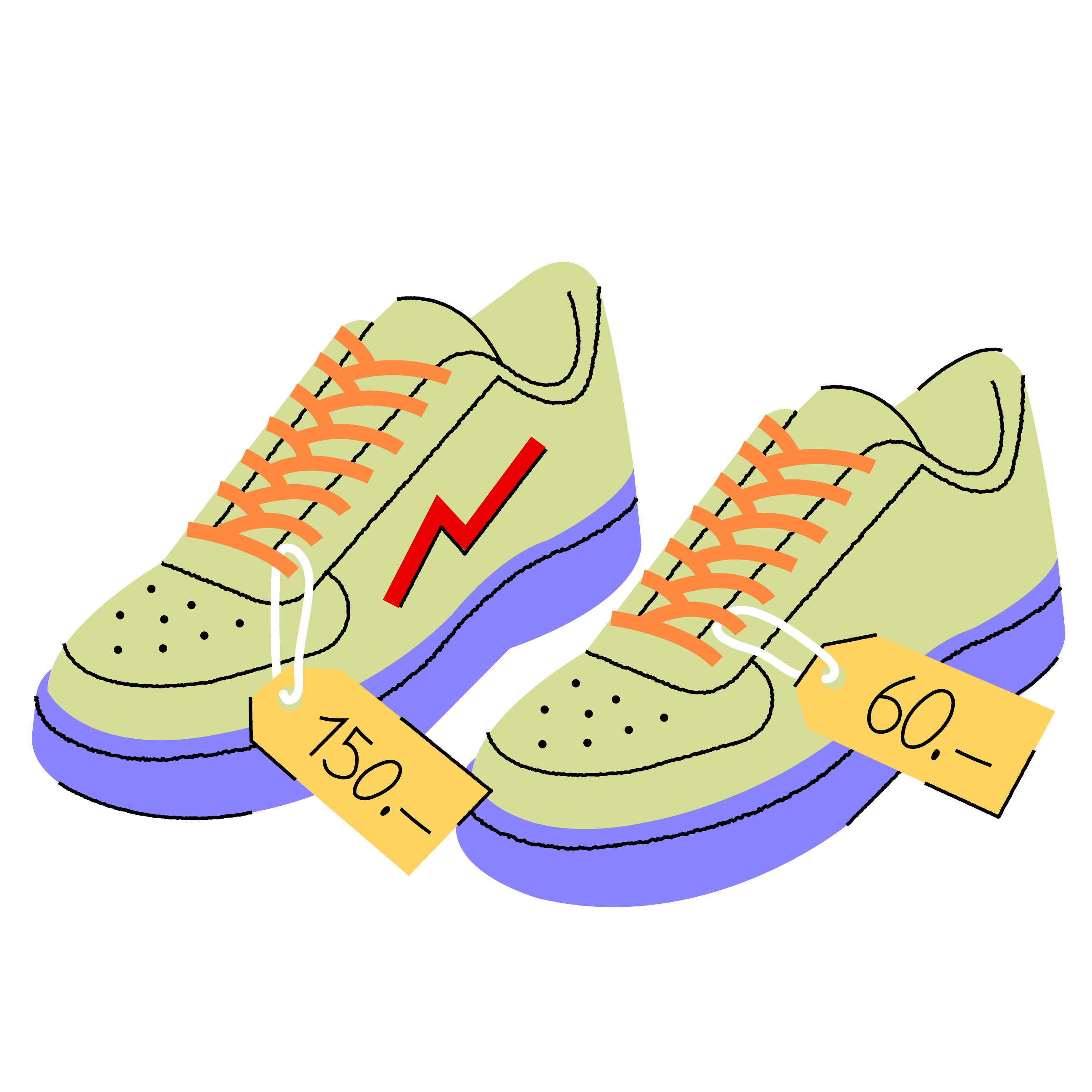
Advertising and marketing in the fashion industry influence children and young people as well as adults. This is not surprising when you consider how intensively 12- to 19-year-olds use social media, and the fact that Instagram and TikTok – platforms with a great deal of advertising – are the most popular apps among teens. The problem is that marketing often creates a distorted perception of value and price. Part of the cost is not for the product itself, but rather for the name and brand behind it.
At a certain point, you’re simply paying for the name – and that’s difficult for children to grasp if they haven’t been taught this concept at home.
Does your child insist on buying the more expensive sneakers with a logo instead of the cheaper, no-name model? Take this opportunity to talk about how the price of a product is calculated.
According to this example from SRF (in German), the cost breakdown of a pair of sneakers priced at CHF 160 is as follows:
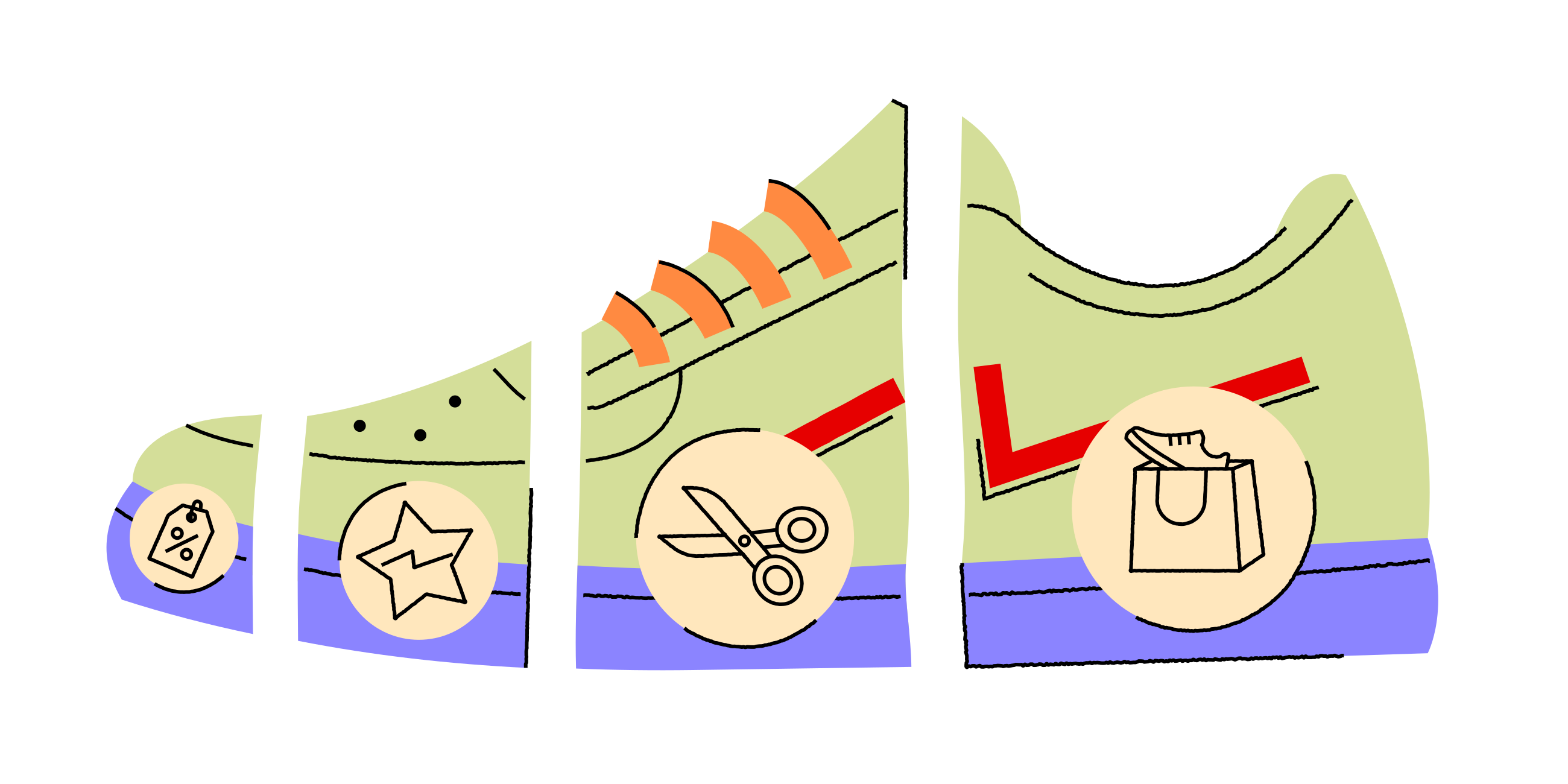
It quickly becomes clear from this example that a large portion of our money goes to the brand company and the retailer, with only a small percentage going toward materials, production and wages.
The marketing activities of fashion and sports brands include elaborate advertising campaigns, social media advertising, sponsored events and celebrity endorsements. Products without a well-known brand behind them are not necessarily inferior, but often simply involve less marketing and therefore lower marketing costs.
Talk to your child about these marketing practices. This will help them understand how advertising, image and logos influence the final price and our desire to buy something. It will help them understand advertising, what the actual product costs and how much extra you are paying for the product name – an important factor in being able to distinguish between hype and reality.
As a rule, children from middle school age, i.e. between 9 and 11 years old, are receptive to this. Approach the topic in a fun way, for example with little blind tests at home: How does each chocolate taste? Are they all the same or can you tell the difference? Or compare in the store whether brand-name sneakers feel different from the cheaper, no-name product. This will help your child develop a sense of whether the quality differs enough to justify the price difference.
From high school age, i.e. around 12 to 14 years old, you can go into more detail. Talk about the value chain, for example. This kind of information helps young people make more conscious and fact-based consumer decisions.

However, higher prices can sometimes be justified, for example, if a brand is renowned for its quality and reliability. You yourself are probably more likely to choose a drill from a well-known, famously reliable brand than a no-name equivalent whose quality you can’t be sure of.
Explain to your child why you deliberately choose well-known brands in certain categories, such as tools, hiking equipment or organic food, and what your price limit is. This will teach them that a branded product can definitely offer added value if it represents good value for money.
It’s also important for children and young people to develop a sense of value for money, especially because they are exposed to advertising on a daily basis on social media, in games, on television, and when out and about.
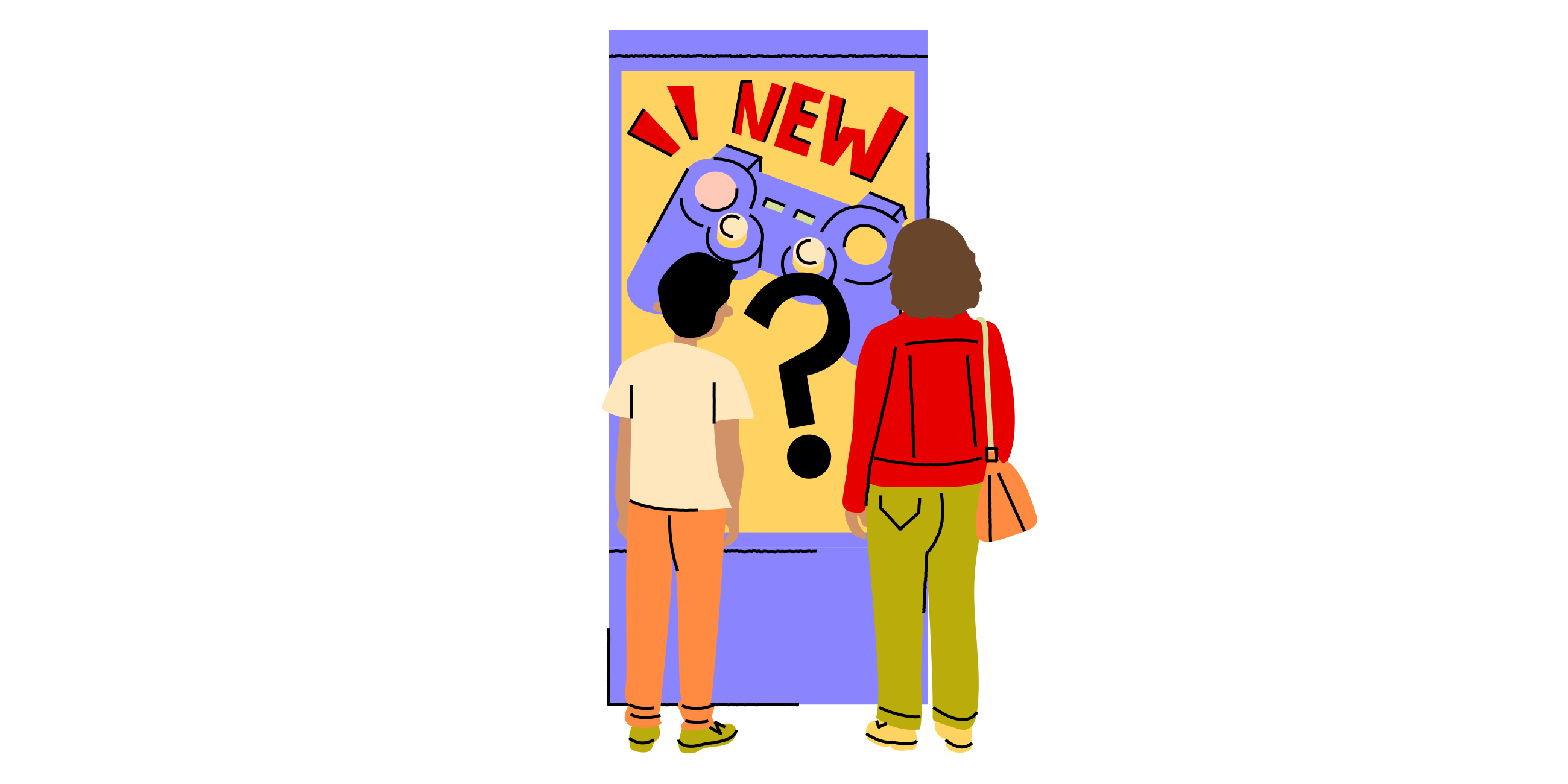
Don’t leave your child alone with these impressions; instead, talk to them about it. A good way to start is to ask: “Where do you encounter advertising?” Your child can give examples such as posters, online ads or advertising via influencer accounts. Based on this, you can think about the following together: How is the “perfect” life portrayed in advertising, and how realistic is it? What is this advert trying to achieve? This will teach your child not to take everything they see on screen and on posters at face value.
Influencers, social media and TV advertising influence everyone, including adults. However, children need adults to help them make sense of it all.
How you deal with the topic of brands at home is one thing, but what your child experiences in the playground or in other situations with their peers is quite another. Identification, comparisons with others and peer pressure are usually a significant factor in these situations. Children and young people want to belong, especially when it comes to their appearance. Over time, many end up buying the same things, having similar hairstyles or wearing the same brands. Logos become status symbols that carry a lot of weight in everyday school life.
As parents or guardians, you can’t (entirely) prevent this peer pressure. However, you can emotionally empower your child by confirming their good qualities, supporting their interests and listening to them. This will build their self-confidence and show them that their personality and behavior are more important for gaining respect than a logo on a T-shirt.
Children must learn that recognition and respect don’t depend on what brand they’re wearing.

Make an appointment for a non-binding consultation or if you have any questions, just give us a call.
Disclaimer
This publication is for personal information purposes only within Switzerland and is not to be understood as a recommendation, offer or solicitation of an offer for investment or other specific products and services. It is not intended to form investment, legal or tax advice and should not be used as the basis for financial decisions. Before making a decision, you should obtain professional advice.
All the information and opinions contained in this publication come from reliable and trustworthy sources. Nonetheless, UBS does not accept any contractual or implied liability for any incorrect or incomplete information. The views of non-UBS authors are their own opinions and do not necessarily reflect the views of UBS AG and its affiliates. Complete or partial reproduction without the express consent of UBS is not permitted.
© UBS 1998 - 2026. All rights reserved. The key symbol and UBS are among the registered and unregistered trademarks of UBS.