We’re here for you
Make an appointment for a non-binding consultation or if you have any questions, just give us a call.

header.search.error
Children are curious by nature. Take advantage of this curiosity to improve their financial literacy and show your child in a fun way how important saving is.
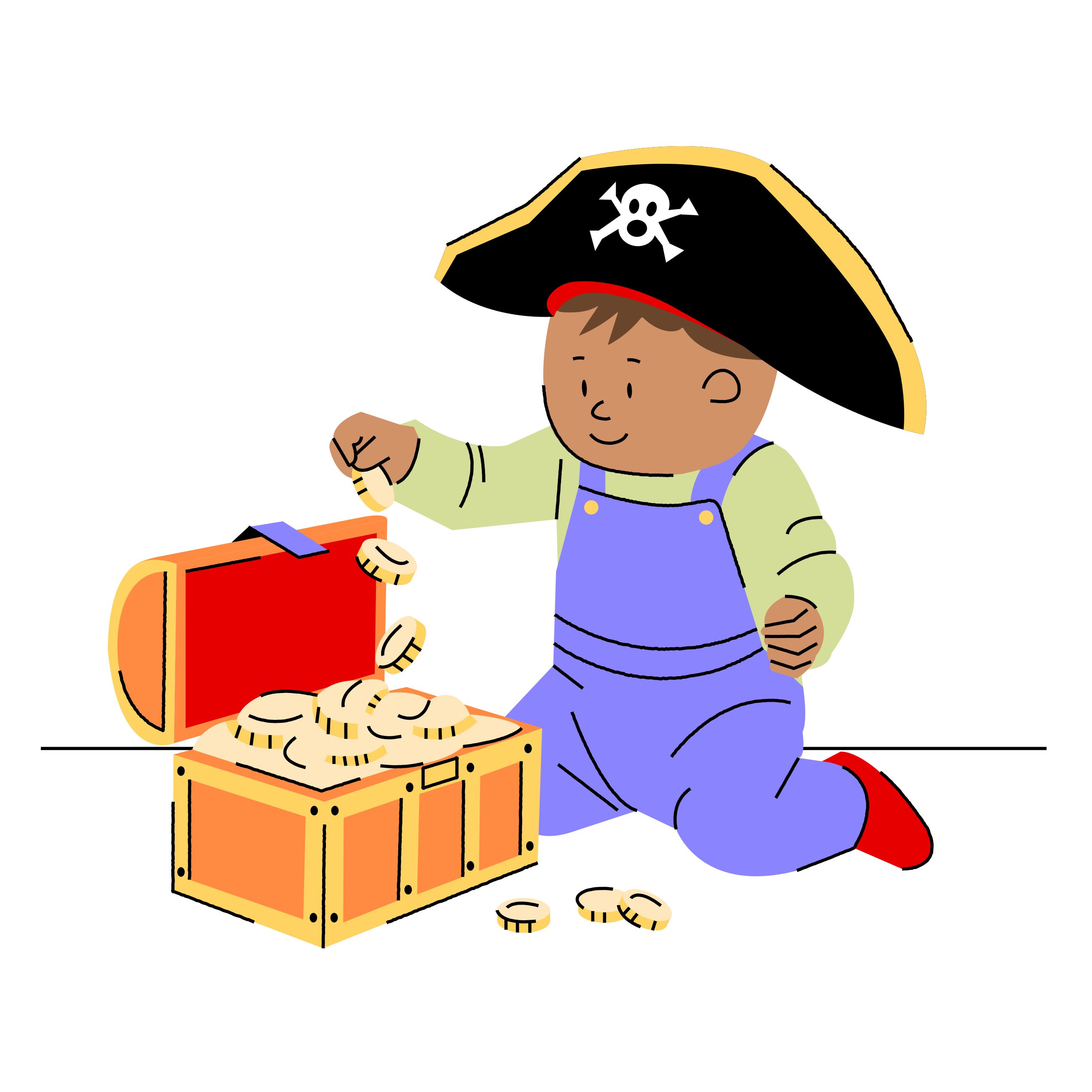
Finally, it’s the weekend – time to go out in the fresh air with the whole family! But wherever you go, temptation beckons: ice creams, candy, takeaways. The children are so excited, they would love to eat ice cream until they burst.
The good news is that everyday situations like these are an ideal opportunity to introduce children to the topic of saving and to teach them the right way to handle money.
When children repeatedly ask if they can buy this or that, parents often retort: “Do you know how much it costs?” And no, the children probably don’t know whether 50 francs is a lot of money or not. And that’s completely normal. They must learn the relationship between objects and their monetary value by experience.
One way to do this is to encourage children to save: it’s the perfect opportunity to explain the concept of value and the basic function of money as a store of value.

For children, learning to save means much more than just understanding the functions of money. They experience personal responsibility, practice going without and learn to prioritize spending. Children who save will have money for a rainy day or will be able to satisfy bigger wishes more quickly – such as the pink bike they really want or a pair of cool running shoes they’ve seen. By saving, children learn the basis for greater financial literacy and lay an important foundation for their lives.
Money is more than just a means of payment. It also preserves value in the long term. In other words, when we save money, we can keep it for future wishes or emergencies. Alternatively, you can think of it as going without something today in order to be able to afford more in the future.
Your child’s money box or savings account represents a visible “store of value”. It allows children to see that by saving, their money will grow over time, and that they will then be able to use it for future wishes and needs.
Children learn best when they can be involved and try things out for themselves. Role-playing games such as “playing store” can help.
As soon as your child receives pocket money, usually between the ages of five and six, it can also be used as a good tool for teaching them how to handle money. For example, work out together how much your child needs to save each month to buy something big they really want, and put the money in a special box. If the child is slightly older, simple budget apps can also help to improve their understanding of money and saving.
The role model function of parents and guardians is just as important. After all, children also learn a lot through imitation. Show them the value of saving by setting a savings goal for the whole family, such as the next vacation or a major trip. It’s a good idea to set up a separate family money box – a joint money box that money is regularly paid into. This money usually comes from the parents and is used to teach the children the concepts of saving and prioritizing. The family decides together what to save up for, and the children see how financial decisions are made.
Visual aids such as making piles of money or creating ‘savings goal images’ can help children to understand the concept of saving.
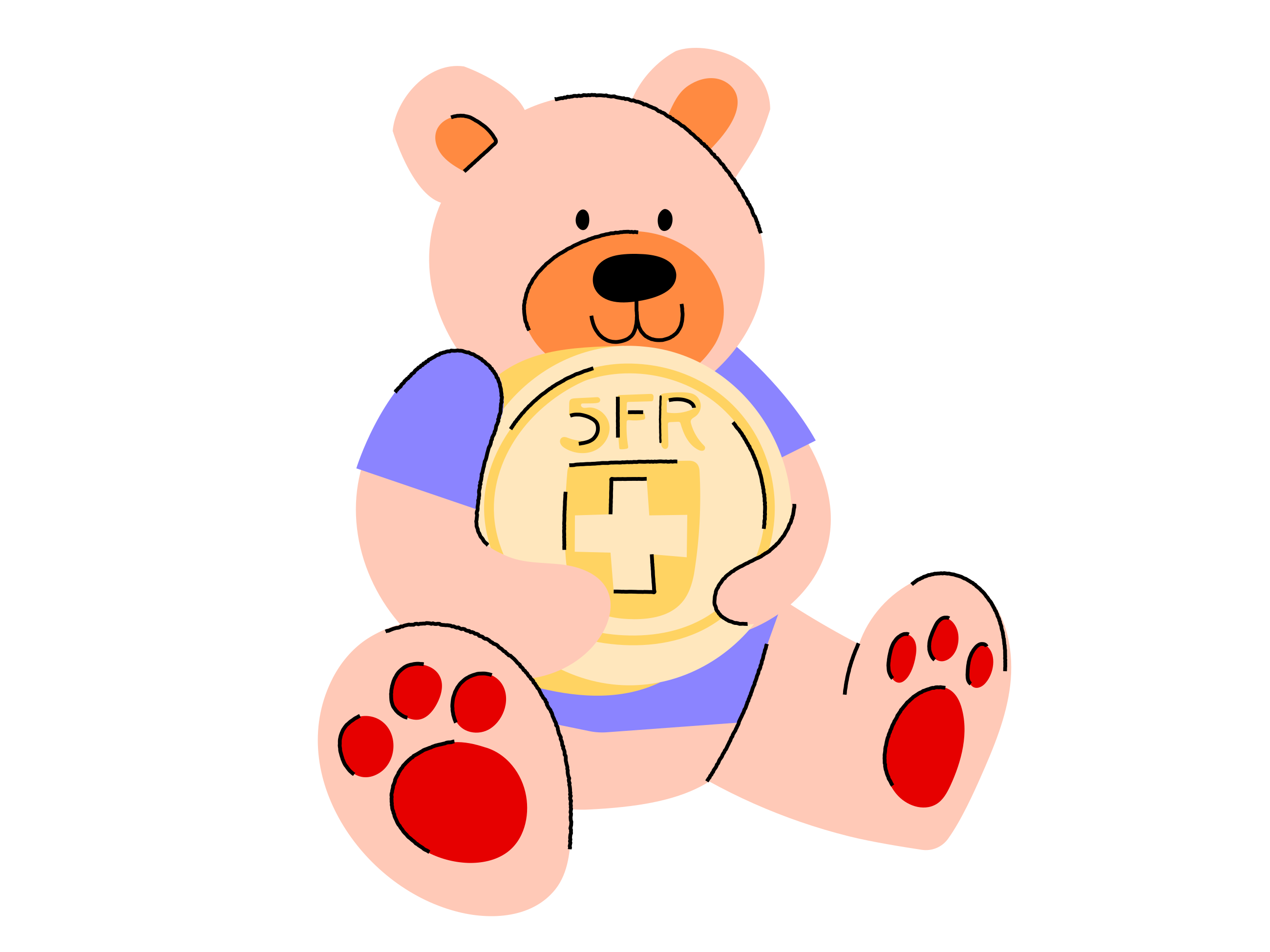
The following tips are intended as a joint family project. Saving is best practiced together to start off with – not just by the child on their own.
Visualize your child’ savings goals or items on their wish list with them. To make saving (a little) more fun, print out a photo of what they’re saving up for and stick it on their money box. Or even better, draw a picture of it together.
Ideally, you should start with small goals such as a ride on the Ferris wheel. Talk to your child about why they want to save up for this specific goal and whether it’s worth giving up something else to achieve it. This will help them later on: they will understand why they shouldn’t spend their money immediately, but should put it in their savings account.
Does your child have a big savings goal? If so, it’s often worth dividing it into smaller learning steps. Define stages and visualize them. For example, if the child has saved up half of the money they need, you can celebrate their success together. This also makes intermediate goals visible, which will keep the child’s motivation high. The savings goal must remain feasible within a time horizon that the child can understand – and this horizon grows with age.
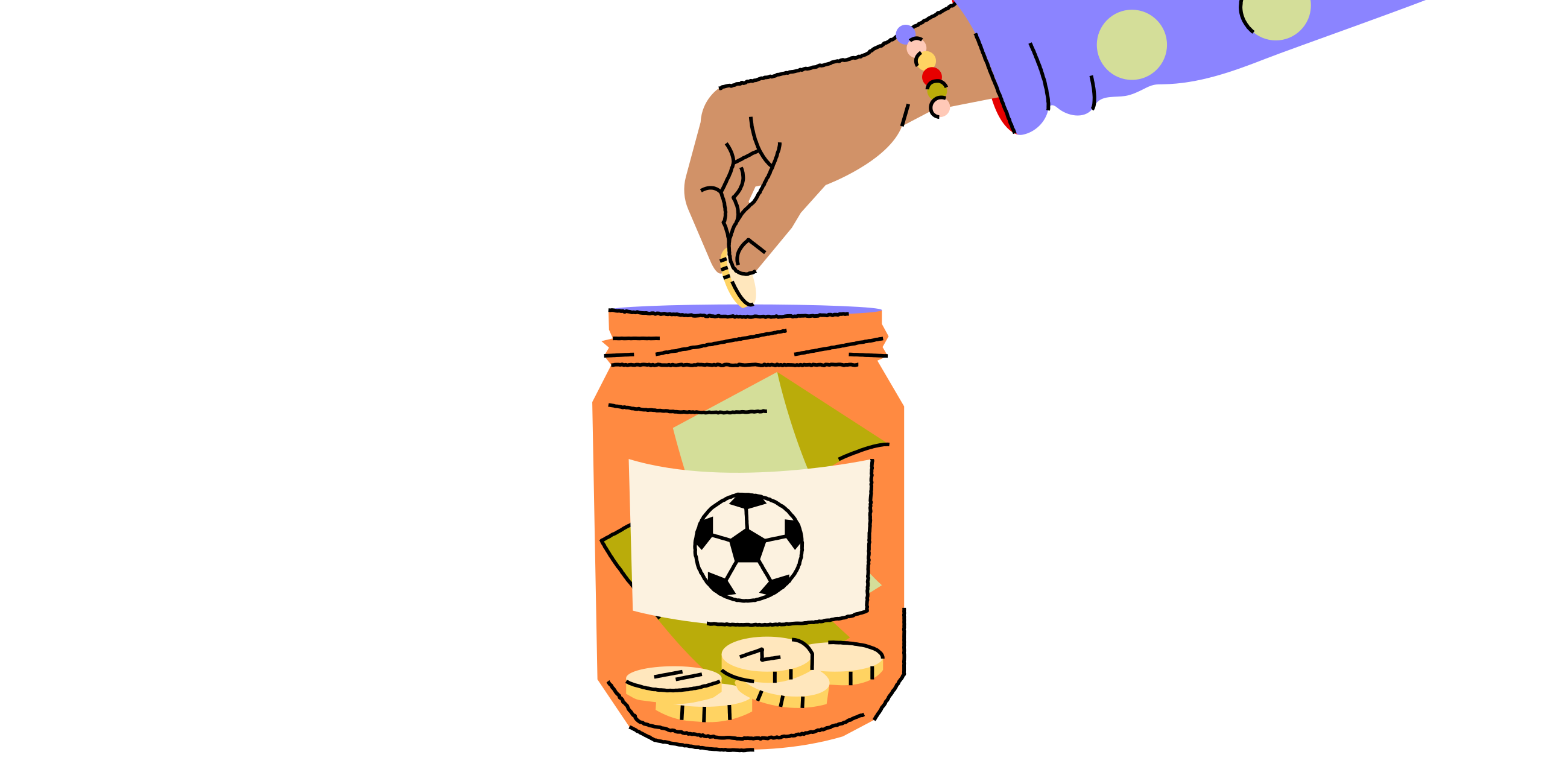
Pack snacks and drinks from home for your next family outing and show your child how much money you will save – if you don‘t have to buy apple juice for 7 francs at the kiosk.. Or even better, prepare treats together to take with you that would be more expensive to buy away from home. You can put the 5-franc coin you save into your family’s money box instead. Alternatively, you can divide the amount you save, for example by putting one franc in the child’s money box and the rest in the family money box. This way, your child also benefits, which can increase their motivation to save.
Involve your child in making savings in everyday life: compare prices together when you’re out shopping or plan the family budget with your child.
Define a budget before the next family outing and tell your child about it, for example by showing them a 20-franc note. Or buy food at the supermarket together and explain to your child how much change you’ve received.
You can even add it to the family money box if you like. After all, you have saved money by planning your expenses effectively in advance. Give your child some freedom and let them try things out for themselves. This teaches them how to get by with a fixed amount and what they can get in return.
No matter how carefully you budget in advance, sometimes you still make spontaneous purchasing decisions. Perhaps you suddenly find yourself with five packs of potato chips in the cupboard because of a special offer. Make sure you resist temptation as often as possible by reminding yourself and your child of the savings goal: take a photo of the drawing or of the picture on the family money box. When you’re at the kiosk with your child and are discussing whether to buy a drink in addition to an ice cream, you may come to an agreement more quickly if you look at the picture of the joint savings goal.
This can also teach the child to avoid unnecessary impulse purchases with their own pocket money in the future.
As soon as the child has a good understanding of money, you can also introduce the idea of digital saving in a bank account – ideally in combination with physical saving by putting coins and notes in their money box. Go to the bank with your child and pay in the money from their piggy bank. Then look at the bank statement or account balance together and talk about it. This allows the child to see the growth of their savings visually.

As your child gets older, you can switch your focus from saving to investing. This is another key skill today. It often makes sense to introduce children to the concept of investing if they are pursuing long-term savings goals that would take several months or even years to save up for, such as their first vacation with friends. Adopt a system with three money boxes to introduce your child to the topic at an early age.
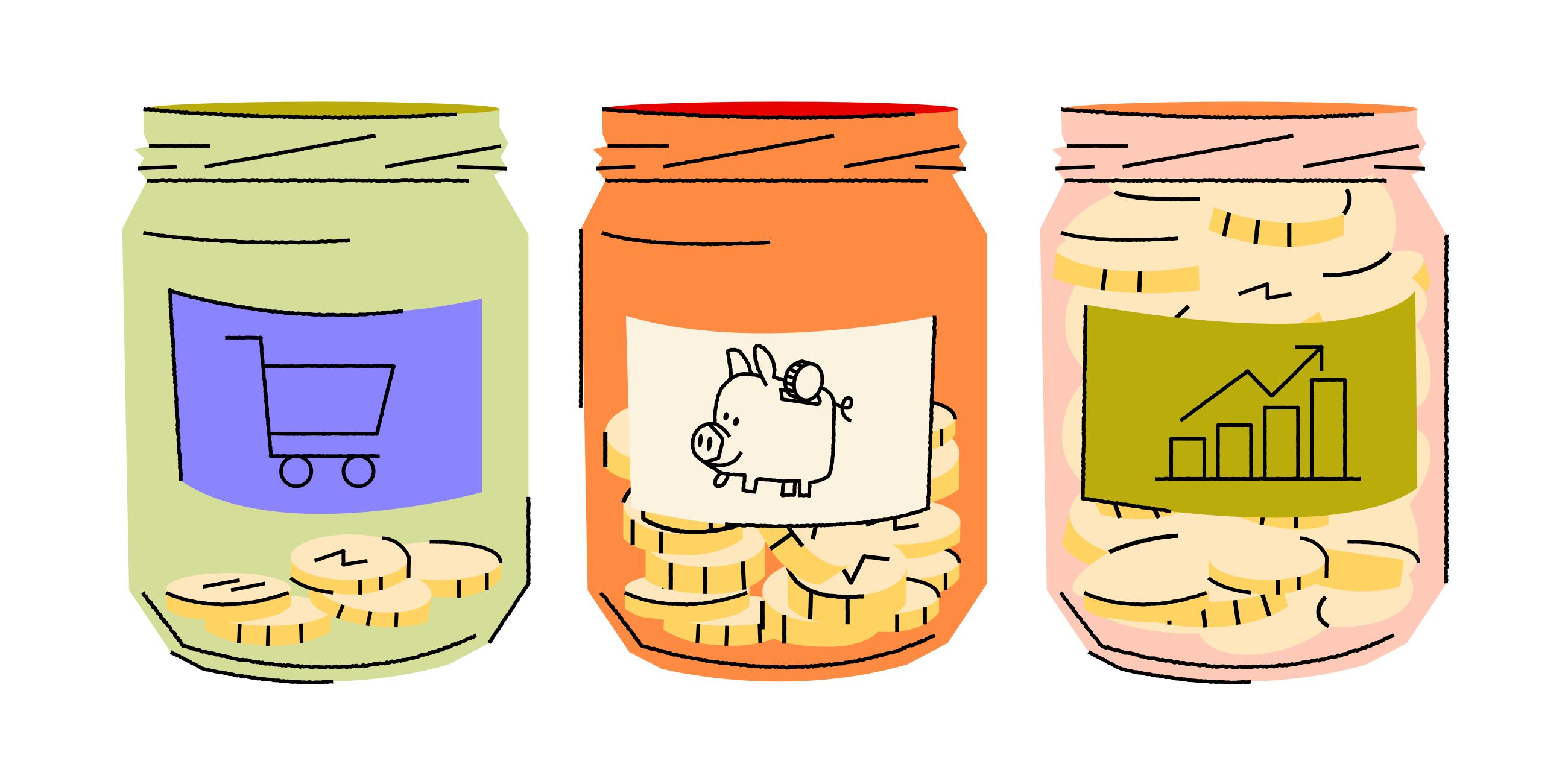
Divide financial gifts or any other money your child receives – for example from a vacation job – that is not intended for everyday use into three money boxes:
First money box: money to spend freely
The child can spend the money in this money box however they like. This is how children learn that if they take some money out of the money box, there will be less available for other things.
Second money box: money to save for short-term goals
The money in this money box goes toward short-term goals, whether it’s a new book, a more expensive toy or an outing with friends. Children learn to set their first savings goals and see that their savings grow when they put some money in the money box.
Third money box: money to invest for long-term goals
This money box represents investing. It is intended for long-term goals – such as a new bike or a parent-free vacation with a group of friends. Parents can also pay a bit of interest on this money box, for example 1 franc for every 10 francs saved by the child. Or you could take the money to the bank with your child and invest it in an investment fund. This teaches your child how investments grow over time.

Make an appointment for a non-binding consultation or if you have any questions, just give us a call.
Disclaimer
This publication is for personal information purposes only within Switzerland and is not to be understood as a recommendation, offer or solicitation of an offer for investment or other specific products and services. It is not intended to form investment, legal or tax advice and should not be used as the basis for financial decisions. Before making a decision, you should obtain professional advice.
All the information and opinions contained in this publication come from reliable and trustworthy sources. Nonetheless, UBS does not accept any contractual or implied liability for any incorrect or incomplete information. The views of non-UBS authors are their own opinions and do not necessarily reflect the views of UBS AG and its affiliates. Complete or partial reproduction without the express consent of UBS is not permitted.
© UBS 1998 - 2026. All rights reserved. The key symbol and UBS are among the registered and unregistered trademarks of UBS.