
We’re here for you
Arrange an appointment for a non-binding consultation or if you have any questions, just give us a call.

header.search.error
Learn about the history of Swiss banknotes and find out which banknote series are no longer legal tender, when the new series will enter into circulation – and how long you can exchange old banknotes.
In 1911, Roald Amundsen became the first explorer to reach the south pole. In the same year, Marie Curie received the Nobel Prize for chemistry and became the first woman to win two Nobel Prizes.
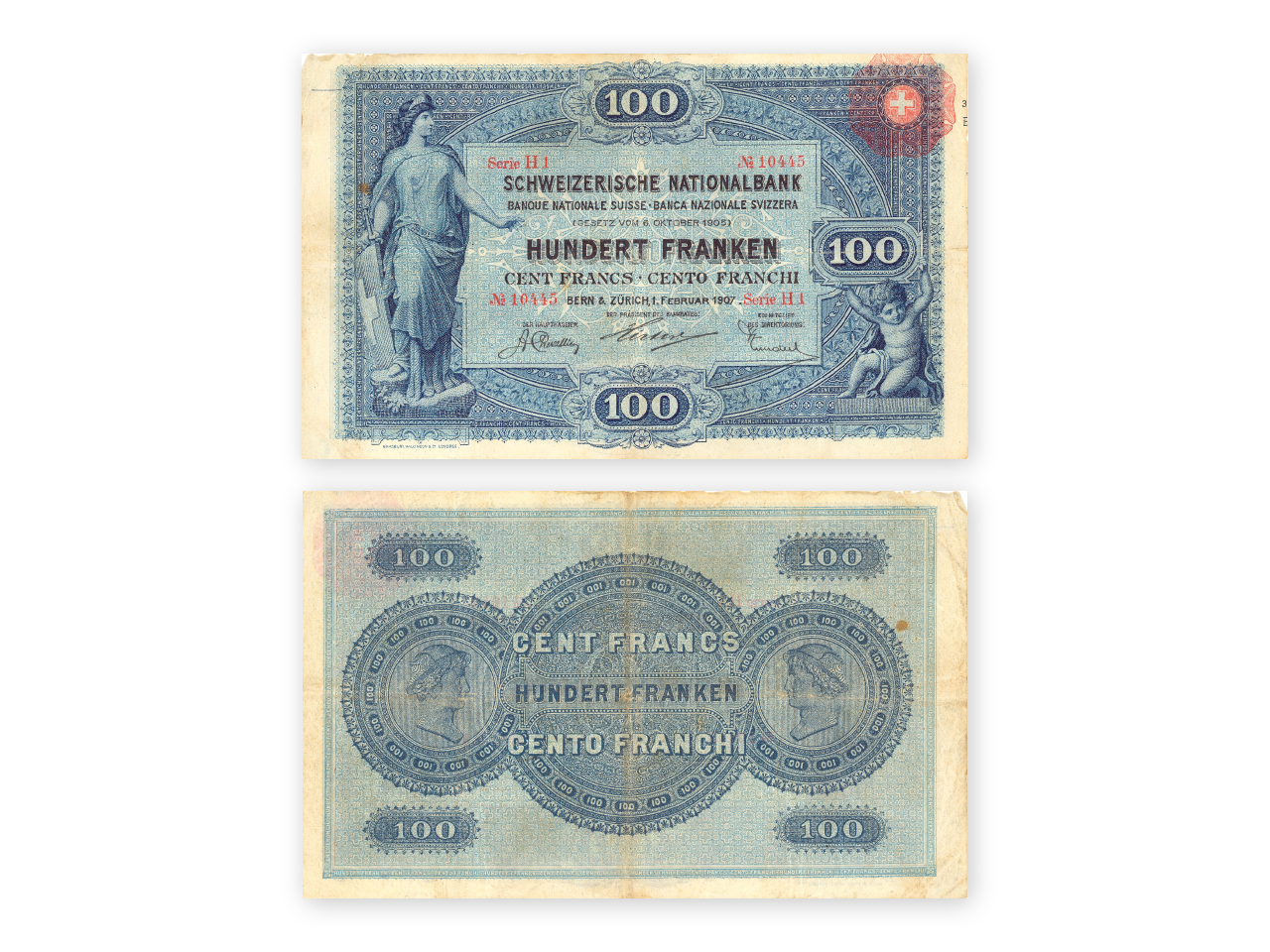
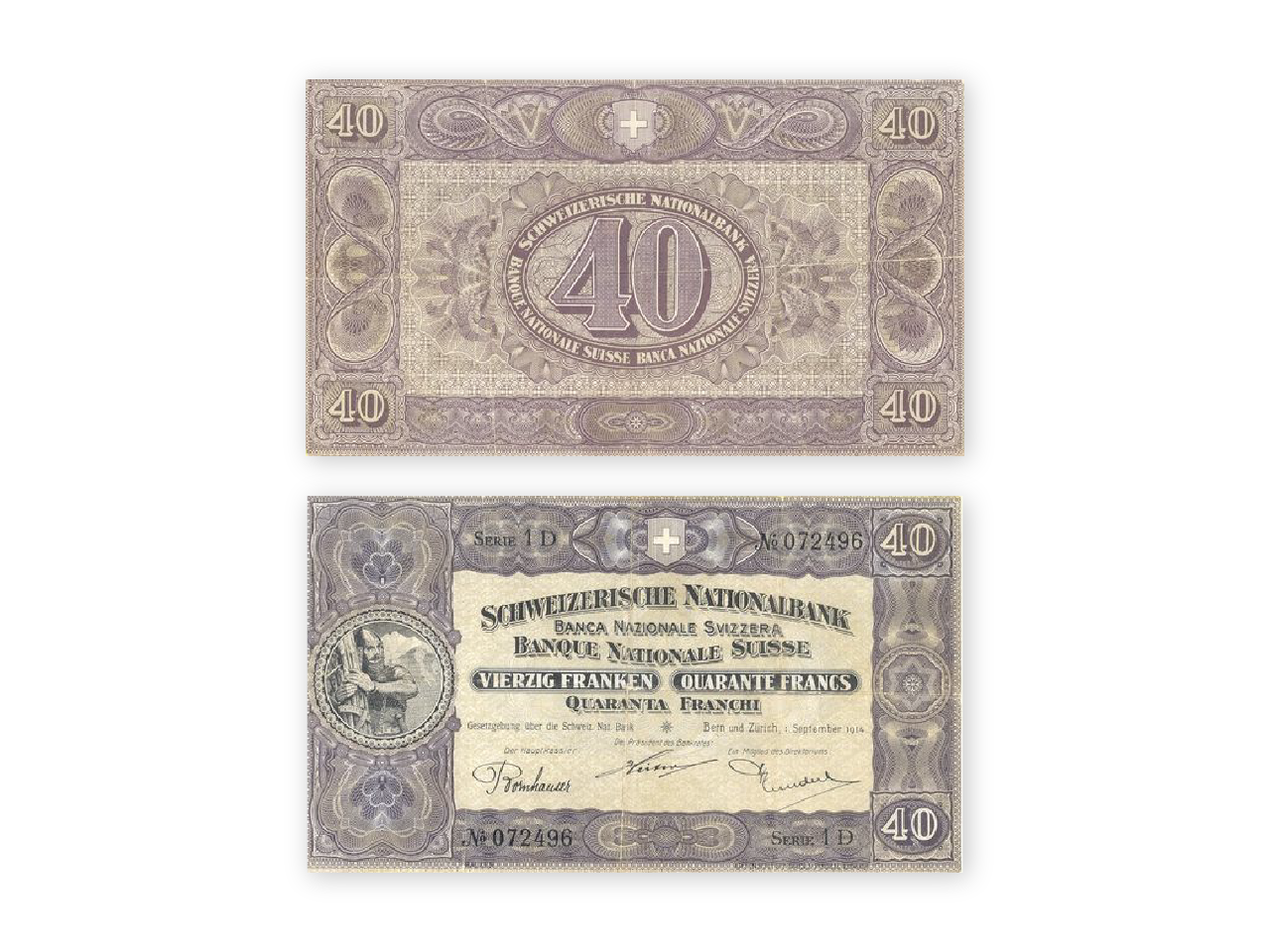
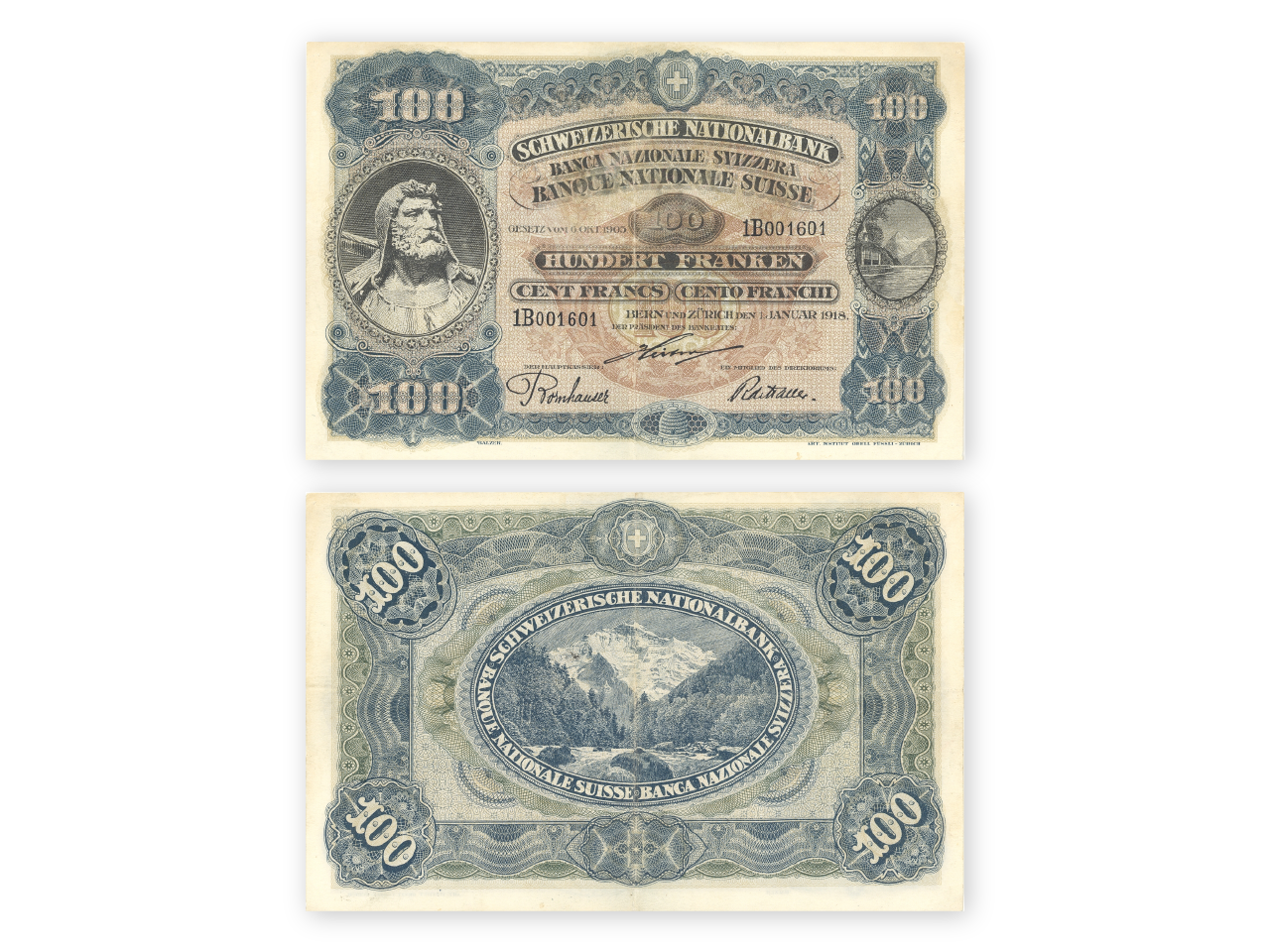
“Mother Helvetia” also wrote her own success story in 1911: the Swiss National Bank (SNB) issued the first “real” banknote series, following on from the so-called interim notes. Ferdinand Hodler was one of the artists who worked on the design of the banknotes. Nowadays, around 90% of the world’s banknotes are “Swiss.” This is because Swiss companies are heavily involved in some parts of the banknote production process, for example in ink formulation, printing and paper manufacture.
On 30 April 2021, the SNB recalled the eighth Swiss banknote series. The ninth series was brought into circulation in 2016 and the tenth series is expected to follow in the early 2030s. Series 10 “Switzerland and its altitudes,” aims to reflect the diversity of life at the various altitudes. But let’s start at the beginning.

In 2024, more than 300 designers applied to take part in the design competition. Of these, 12 teams and individuals were chosen to participate in the final design competition. Which one of these teams or individuals will design the tenth series will be decided from July 2025. You will also have the opportunity to rate the proposed designs by means of an online survey.
Currently, insofar as we are paying cash, we are using notes from the ninth series. These were issued in stages between 2016 and 2019. The reason for the new banknote series was – or rather is – to uphold the highest security standards and therefore ensure the best-possible protection against forgery.
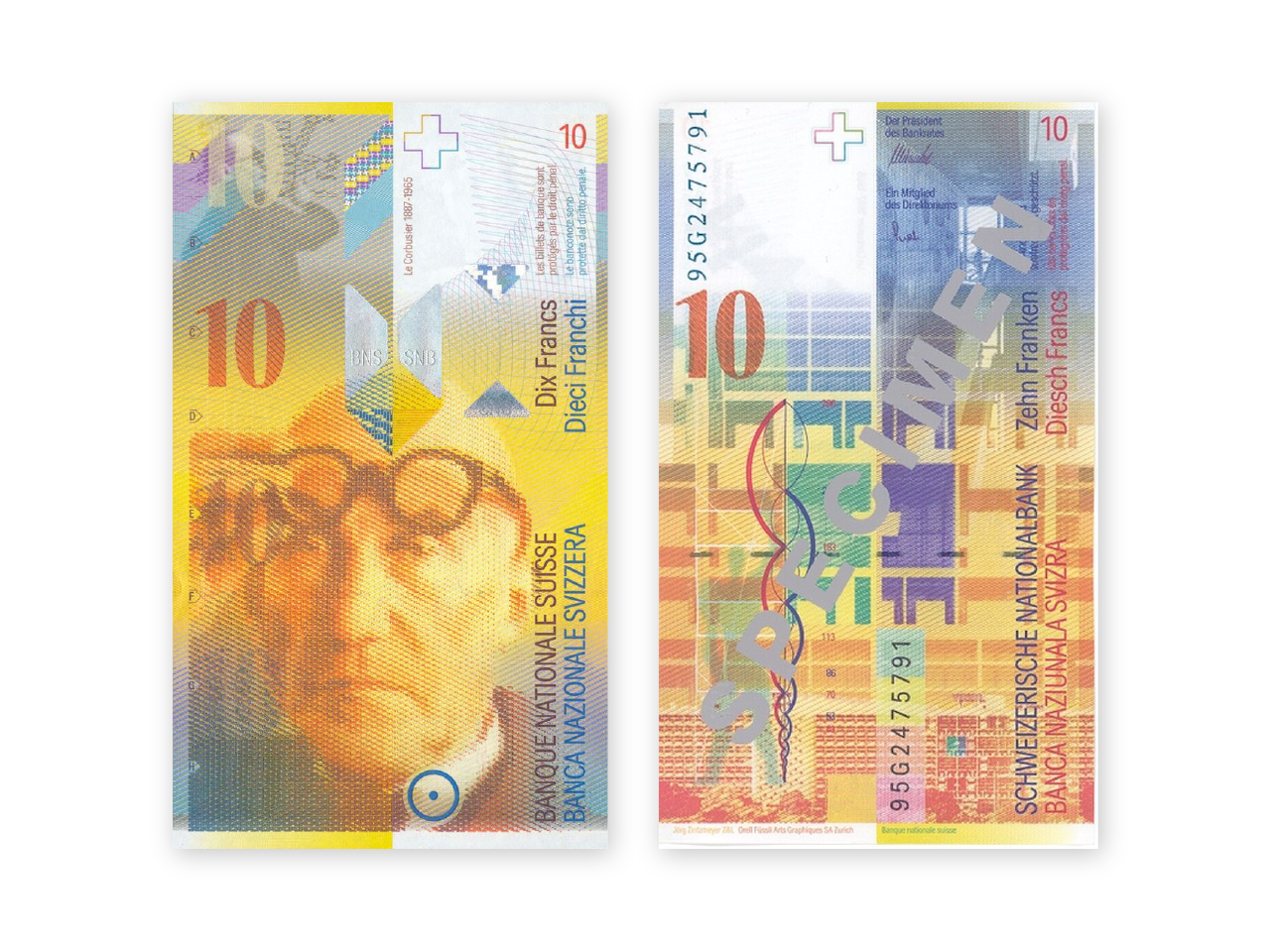
It wasn’t just the series itself that was new: the design concept for the 10-franc, 20-franc, 50-franc, 100-franc, 200-franc and 1,000-franc notes also broke new ground. In a move away from famous persons and toward the many facets of Switzerland, each banknote represents the country in a different way.
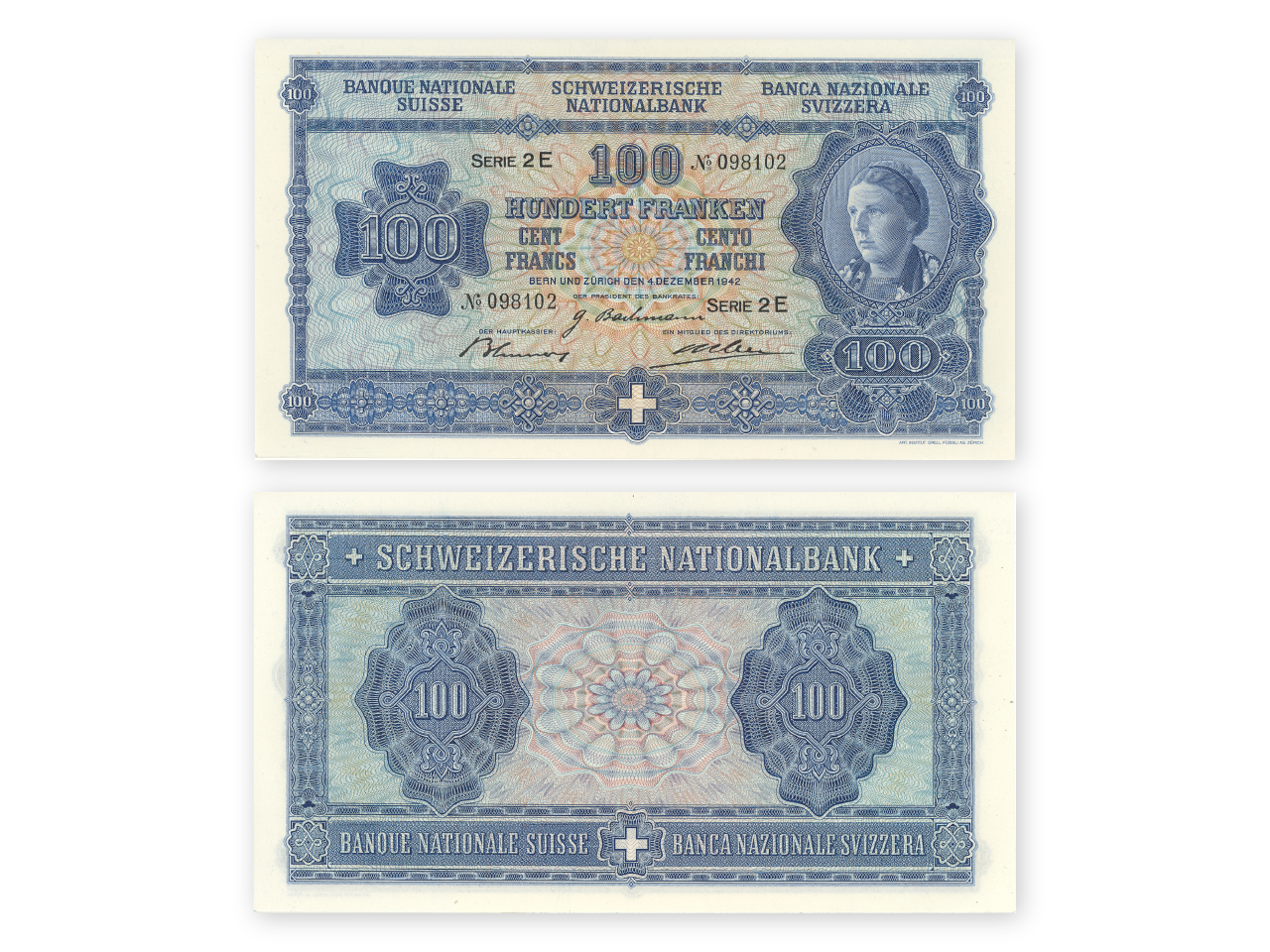
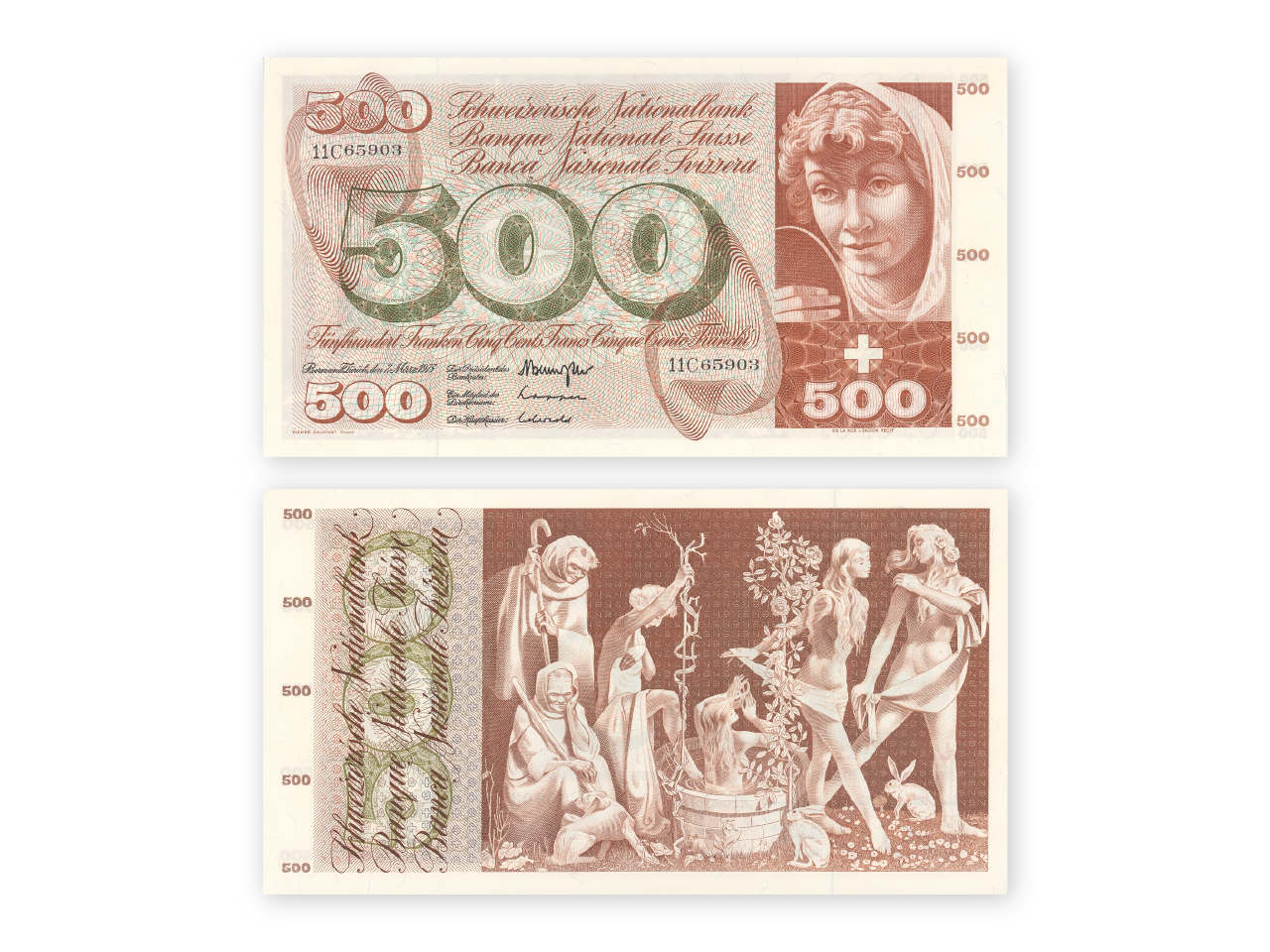
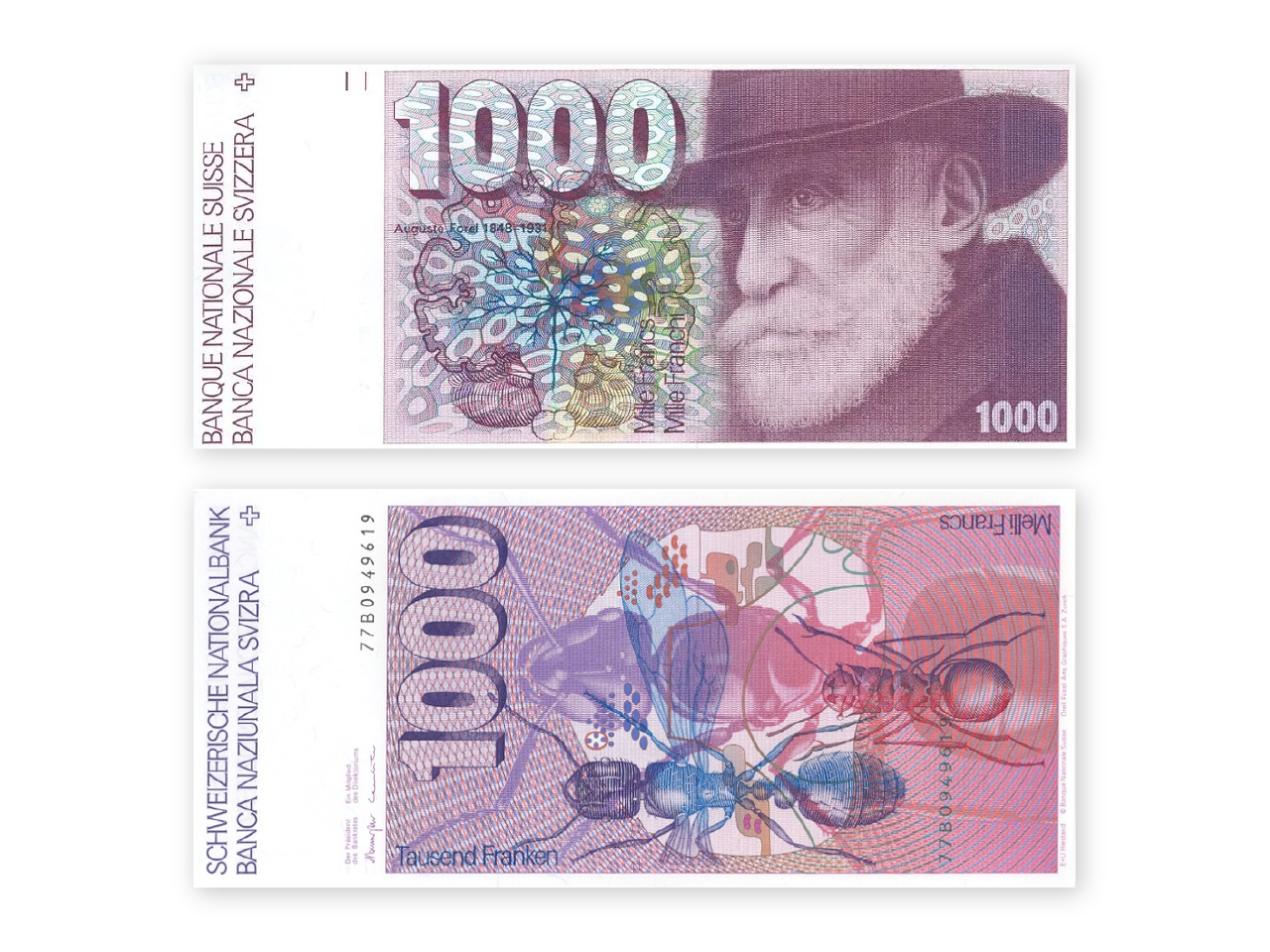
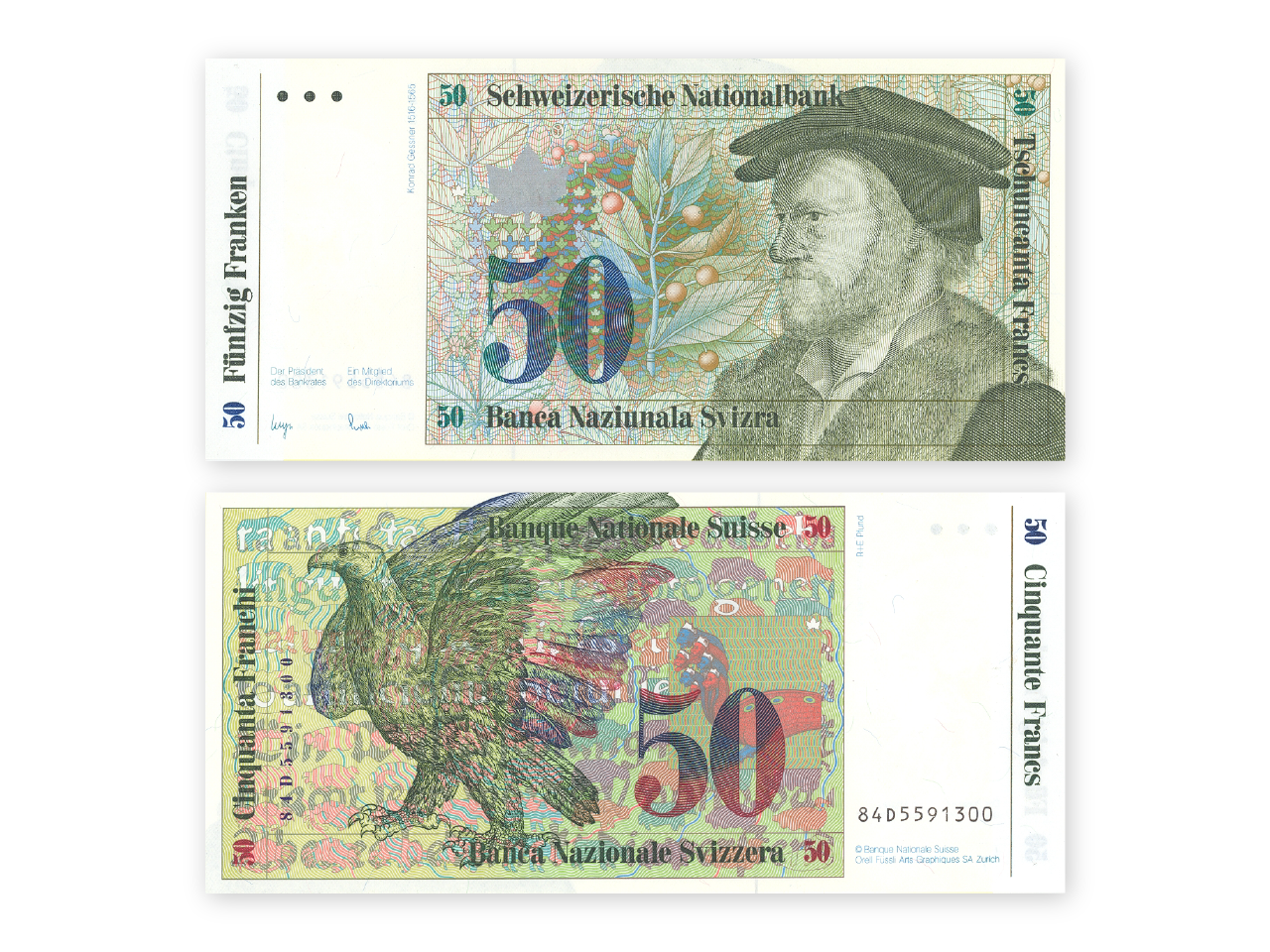
The sixth, seventh and eighth series are no longer considered official means of payment, but you can return the notes to the SNB at any time and exchange them at their respective face value. In the event that you still have notes from earlier series, you may be able to find a collector to take them.
It is impossible to give a general answer as to how much the various older notes are worth. What we can say, however, is that it’s worth taking a look at the history of the Swiss banknotes. While the first to eighth banknote series have a nostalgic aspect for some, for others they prompt significant aha moments.
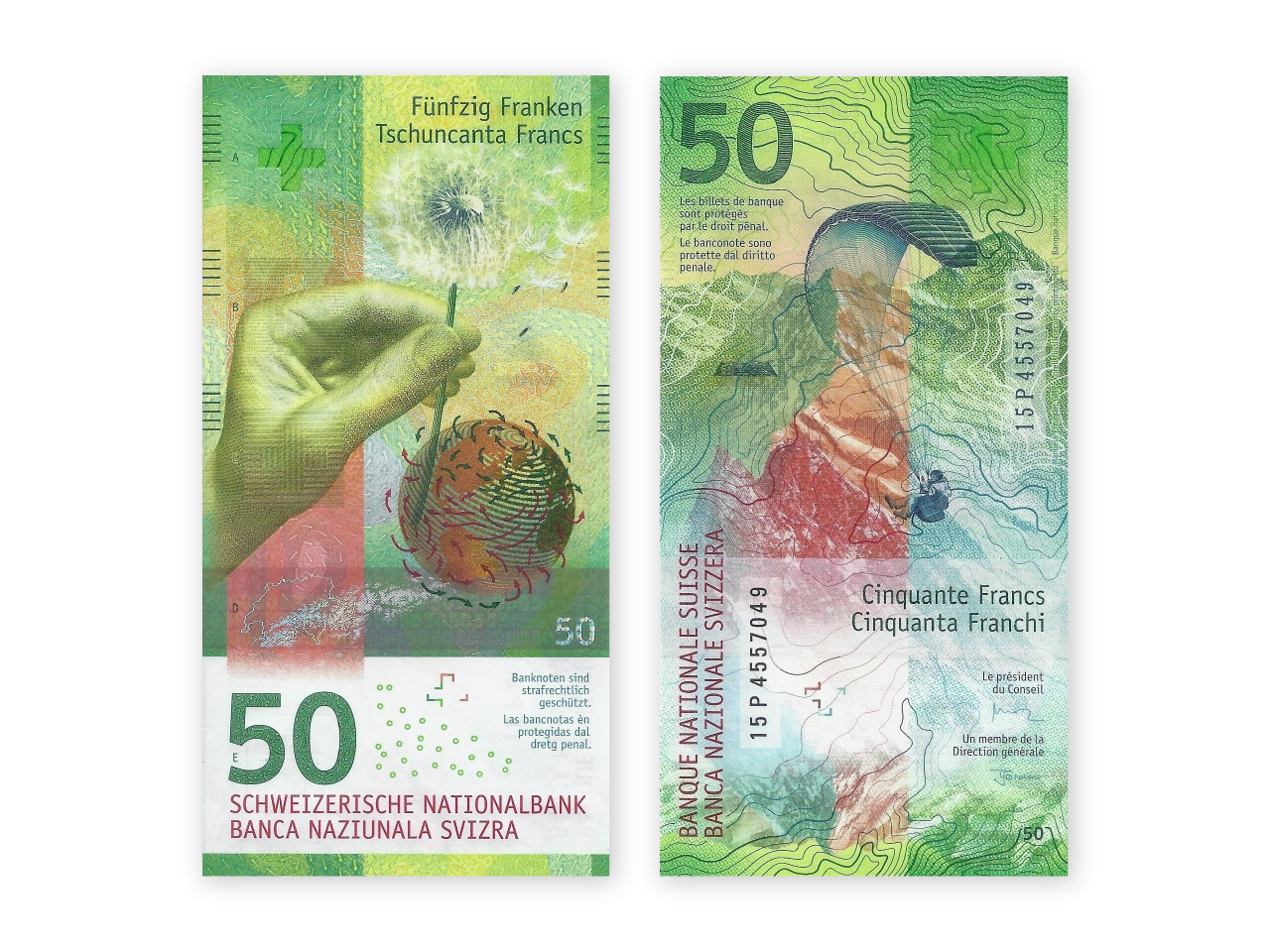
For the first time, typical Swiss values were depicted instead of famous persons. For example, the 10-franc note depicts organization, the 20-franc note shows creativity, the 50-franc note focuses on the wealth of experiences, the 100-franc note honors the humanitarian tradition, the 200-franc note illustrates the scientific expertise and the 1,000-franc note celebrates communication.
How often do you pay with cash and how often do you use your debit, credit or prepaid card? Anyone who claims that people only pay by card nowadays overlooks the fact that cash still plays a central role, despite declining use. In fact, over the past 40 years, the amount of cash in circulation relative to gross domestic product has been greater than ever before.
Why does cash remain so popular? It offers unique advantages: anonymity, independence from infrastructure and security. In addition, paying with cash is deeply rooted in our culture. In short, cash is and will remain an important element of a functioning economy.
Nevertheless, electronic payment methods and digital currencies are becoming increasingly important and are expected to account for an even larger share of payment transactions soon. In the case of digital currencies, the question is no longer if but when they will be in widespread use.
The history of Swiss banknotes is exciting – and an enduring success. Even though electronic payment methods and digital currencies are being used more and more, cash is and will remain a key factor for a functioning economy. Currently, anyone paying with cash is using banknotes from the ninth series, and the next series of banknotes is being developed and will be in circulation in the 2030s. Banknotes from earlier series can be exchanged at the SNB at the respective face value. They don’t have an expiry date.
Arrange an appointment for a non-binding consultation or if you have any questions, just give us a call.
Disclaimer
This publication is for personal information purposes only within Switzerland and is not to be understood as a recommendation, offer or solicitation of an offer for investment or other specific products and services. It is not intended to form investment, legal or tax advice and should not be used as the basis for financial decisions. Before making a decision, you should obtain professional advice.
All the information and opinions contained in this publication come from reliable and trustworthy sources. Nonetheless, UBS does not accept any contractual or implied liability for any incorrect or incomplete information. The views of non-UBS authors are their own opinions and do not necessarily reflect the views of UBS AG and its affiliates. Complete or partial reproduction without the express consent of UBS is not permitted.
© UBS 1998 - 2026. All rights reserved. The key symbol and UBS are among the registered and unregistered trademarks of UBS.