


Tight supply and rising demand should support many commodities next year.
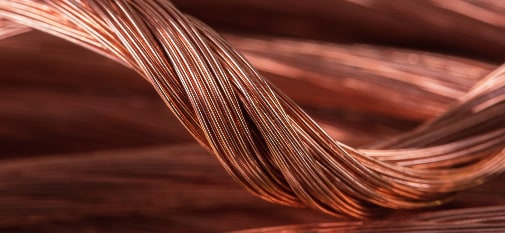
- Both copper and aluminum are projected to encounter further supply shortages that may push prices higher. The global transition to clean energy and electrification continues to drive demand for these metals, making them a key structural investment.
- For crude oil, we expect prices to start recovering in the second quarter of the year. The current surplus should diminish with solid demand growth and moderating non-OPEC+ supply amid limited OPEC+ spare capacity.
- Gold should post further gains, in our view, supported by central bank buying, large fiscal deficits, lower US real interest rates, and ongoing geopolitical risks.
Commodities can diversify portfolios.
- Commodities can play a valuable role in portfolios, but they can face periodic volatility.
- Returns are generally strongest when supply-demand imbalances or macro risks—like inflation or geopolitical events—are elevated. In such periods, broad commodity exposure can help diversify portfolios and protect against shocks.
- When the outlook is favorable, we typically suggest an up to 5% portfolio allocation to a diversified commodity index.
We see numerous ways to invest in raw materials.
- Investors can access commodities through diversified indices, ETFs, exchange-traded commodities (ETCs) or structured investments.
- However, they should be aware of unique risks such as price swings and costs associated with futures or physical holdings.
- Commodities have also experienced long periods of strong out- and underperformance versus equities. Hence, we generally see them as a tactical, not permanent, component of a long-term portfolio.
New this week
Reuters reported that global food commodity prices fell for a third straight month in November—bar cereals—based on UN Food and Agriculture Organization data. The FAO's cereal price gauge climbed nearly 2% month-over-month, driven by higher wheat prices on potential demand from China and geopolitical tensions.
Did you know?
- Major economies’ shift toward renewable energy, along with emerging demand from data centers, is expected to drive strong, long-term copper demand. We therefore now expect global copper consumption to grow by 2.8% in both 2025 (up from 2.2%) and 2026.
- We project central bank and sovereign wealth gold buying of 900 metric tons in 2026, which is a modest slowdown from 2025 but well above the annual run rate of around 450-500 metric tons from 2010-2021.
Investment view
Commodities are poised for attractive returns in 2026, in our view, offering portfolio resilience amid supply-demand imbalances, geopolitical risks, and the global energy transition. We like broad commodities exposure, gold, and select commodity-linked equities.
