
The war in the Middle East once again demonstrates how quickly uncertainty and volatility can increase in the markets. Geopolitical upheavals, sudden swings in energy prices, ongoing developments in the conflict, and nervous market phases all serve as reminders that a portfolio should not rely on a single source of returns. It is precisely in such moments that the value of broad diversification becomes clear: Those who spread their wealth across various sources of return are less dependent on the whims of individual markets.
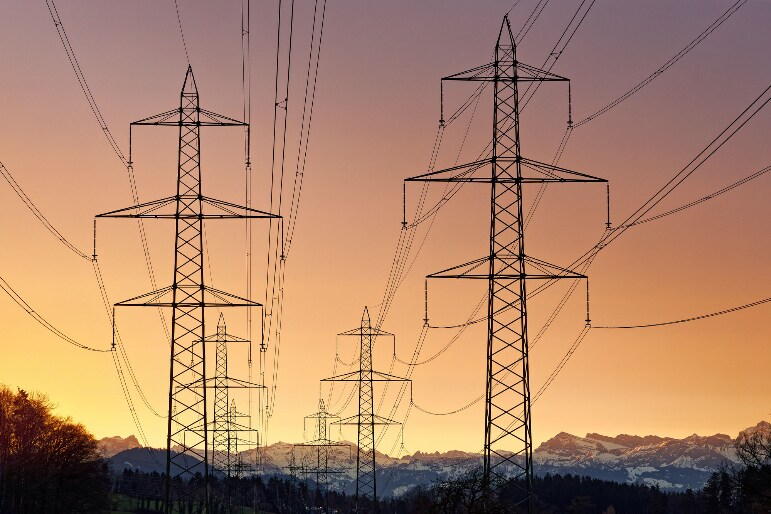
Infrastructure can be a particularly interesting building block in this context. This is not about fads or short-term trends, but about the backbone of the economy: power grids, pipelines, cell towers, data centers, transport routes, water and waste systems, or social infrastructure. Such assets are deeply embedded in the everyday life of our societies. They are needed regardless of whether markets are euphoric or nervous.
This is exactly what makes infrastructure attractive from the perspective of private investors. Many infrastructure projects offer comparatively predictable revenues, often based on long-term contracts or regulated pricing and sales structures. This does not automatically mean they are risk-free, but they often provide more predictability than traditional equity segments. Those who value not only price gains but also ongoing income can find here an asset class that combines stability and substance.
Another advantage is inflation protection. Many infrastructure models have revenue streams that are directly or indirectly linked to price developments in a market or country. When inflation rises, revenues can often keep pace. This is especially valuable in an environment where nominal bonds suffer from loss of purchasing power and many investors are searching for real sources of income.
Infrastructure becomes particularly interesting in a portfolio context. It adds real assets to the portfolio, which often behave differently from traditional equities and bonds. This is precisely where its appeal lies: Infrastructure can make a portfolio more robust because it does not follow the same patterns as the stock market. Infrastructure investments tend to have a relatively low to moderate correlation with traditional asset classes.
Moreover, infrastructure is more than just a defensive play. The sector also benefits from long-term structural trends—from the expansion of energy supply and digitalization to the modernization of public networks. The need is enormous, and many economies face years of high investment. For investors, this opens access to a field that offers not only ongoing income but also long-term growth potential.
Of course, infrastructure investments are not a guaranteed success. Political and regulatory risks play a major role, as do financing costs, project development, weather, or commodity influences. And because many assets are not traded daily on exchanges, patience is required: Infrastructure investments are generally more illiquid and require a long investment horizon. This is precisely why manager selection is crucial. The difference between good and weak solutions can be significant.
All in all, there are many arguments in favor of infrastructure—especially for private investors with a long-term perspective. Those who want to make their portfolio more resilient, strengthen ongoing income, build in a degree of inflation protection, and diversify beyond just equities and bonds may find a compelling building block here.
