
We live in turbulent times, and the next few years could bring profound changes. Artificial intelligence, electrification, and energy and data security will increasingly shape how we live, work, and invest. In this environment, real assets are attracting more attention from investors for several reasons. Investments in real assets can make portfolios more resilient, for example during persistent inflation or when equities and bonds come under pressure at the same time.
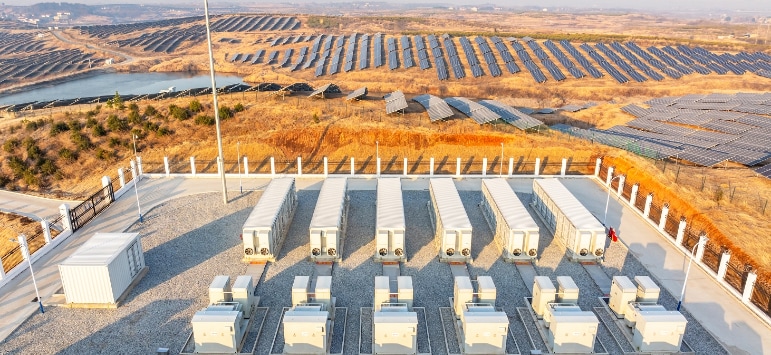
We define real assets as tangible investments whose value derives from their use in the real economy. Real estate will be familiar to most readers. Other real assets include infrastructure, such as power grids or digital networks, and natural resources, such as energy, metals, and agricultural commodities. Many of these assets generate ongoing income, such as rents or user fees, and are therefore suited to generating regular income. Others, such as commodities, respond directly to scarcity and changes in supply and demand.
Real assets are likely to be supported by structural developments. The expansion of AI is increasing demand for data centers, electricity, and high-capacity networks. At the same time, electrification, energy security, and the reconfiguration of supply chains are driving investment in power generation, industrial facilities, and infrastructure. Industrial commodities and infrastructure may benefit. Construction activity has declined in parts of the real estate market, limiting future supply. Against this backdrop, data centers, senior and multifamily housing, and high-quality office space appear attractive to us, as limited new construction may support rents and prices.
Gold plays a special role. Persistent fiscal uncertainty, geopolitical tensions, and inflation concerns can increase demand for the precious metal as a store of value and portfolio hedge. In addition, many central banks are diversifying their foreign exchange reserves to reduce holdings of US dollars. In many cases, significant allocations are shifted into gold. These efforts are likely to continue for years, supporting gold demand. Gold has also often helped stabilize portfolios during periods of falling real interest rates or widening risk premiums.
Commodities and infrastructure investments have a low correlation with a traditional 60/40 portfolio of equities and bonds. Real assets can also help preserve purchasing power if inflation remains elevated. Their return potential varies, however: Infrastructure and real estate offer relatively predictable, partly inflation-linked returns, while commodities and gold respond more strongly to economic and market scenarios. Real assets therefore do not constitute a single defensive asset class. Their performance can vary significantly by sector and market environment. Accordingly, combining these subgroups can provide further value within a portfolio.
Long-term investors may wish to review the role of real assets in their portfolios and gradually increase allocations as needed. One option is a combination of broad commodity indices or exchange-traded funds, gold, and select real estate and infrastructure investments. This combination should align with the investor’s risk profile, liquidity needs, and investment horizon. Given project-specific risks, regulatory uncertainty, and potential fluctuations in value, we also recommend broadly diversifying real asset exposures and selecting managers with long, successful track records.
