
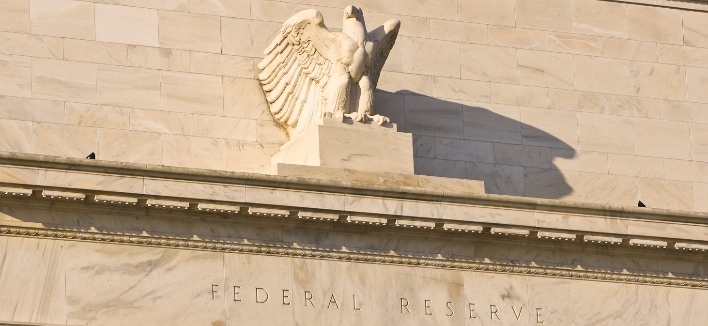
Strong growth and inflation concerns pushed Treasury yields higher.
- The FOMC raised the federal funds target rate by 25 basis points in September.
- High energy prices and strong economic data have added to inflation concerns.
- The 10-year US Treasury yield rose to 5.34% in early October, its highest intraday level since 2002.
But markets may be pricing a longer tightening cycle than the Fed ultimately delivers.
We expect one 25-basis-point increase in December, while markets continue to price roughly three hikes over the next 12 months.
We expect underlying inflation data to continue to moderate. The three-month annualized rate of core personal consumption expenditures (PCE) inflation fell to 2.05% in August, its lowest level since July 2024.
The September labor report showed signs of cooling, reducing the pressure for an imminent rate hike. Nonfarm payrolls rose by 29,000, below consensus expectations for a 90,000 increase.
So, resilient earnings and higher starting yields continue to offer investment opportunities.
- We forecast S&P 500 earnings growth of 25% in 2026 and 14% in 2027, which should help equities absorb moderately higher yields while economic growth remains firm.
- We recommend positioning for further equity gains while diversifying across regions, sectors, and return drivers and managing concentrated single-stock exposure.
- We rate fixed income as Attractive and see opportunities to add portfolio income through medium- to long-duration high-quality bonds and medium-maturity credit from stronger investment grade issuers.
New this week
Recent Fed commentary has signaled a more patient approach toward further tightening. New York Fed President John Williams said “there is no need for urgency, and we have time to gather more information.” Governor Michelle Bowman said she did not “currently see an urgent need for further action.”
Did you know?
- US factory activity has remained in expansion territory for eight consecutive months. Historically, US manufacturing expansions have lasted nearly three years on average.
- US nominal GDP was growing 6.6% year over year at the end of the second quarter, comprising around 2.1% real growth and a 4.4% increase in the broad price level. This can help companies grow revenues and profits in current-dollar terms.
- Past US economic downturns generally did not begin until at least two years after the Fed started raising rates, although the timing varied with the scale of the tightening cycle.
Investment view
We expect one further 25-basis-point Fed increase in December and do not believe a measured tightening cycle will derail the US economy or equity rally. Investors should maintain diversified equity exposure and use the rise in yields to add selectively to quality bonds, while remaining cautious on the longest maturities and lower-quality credit.
