

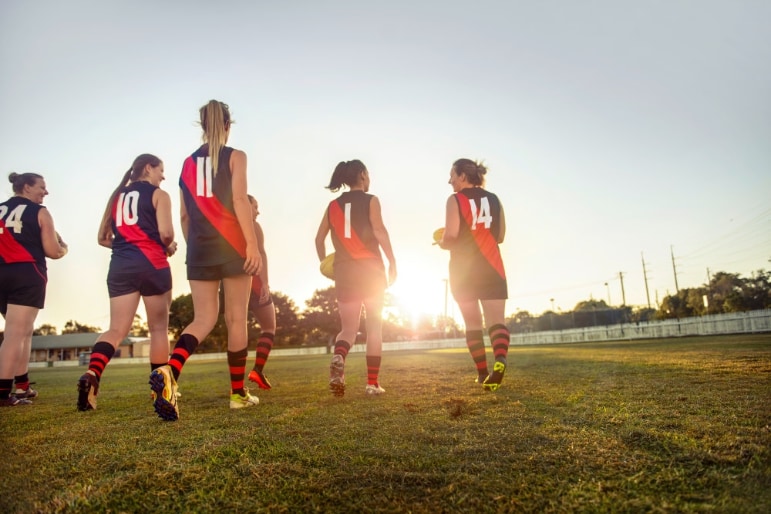
When sustainability takes the field
Each year, global sporting events draw the attention of millions to stadiums around the world. That concentration of people, resources, and waste over a short period creates a unique environmental challenge. For example, researchers estimate the 2026 World Cup tournament could generate 7.8-9.0 million tons of CO₂ emissions, more than in past editions. 1 Despite these concerns, major sporting events can also encourage organizations, companies, and governments to adopt more sustainable practices and reduce their environmental footprint.
Venues: Where sustainability becomes practical
Venues present an opportunity to reduce environmental impact because they require large amounts of energy, water, and materials. Unlike the previous World Cup, where seven of eight stadiums were newly built, the 2026 tournament will rely on existing stadiums. During the 2018 bid process, host countries also emphasized sustainable certifications and environmentally neutral construction, helping shift the focus from new construction to more efficient use of existing infrastructure. 2
Sustainable venues can also create measurable savings. LEED certification, the leading rating system for sustainable buildings in the US, ranges from Silver to Platinum. One of the first LEED Platinum sports venues in the US has reduced water use by 47%, diverted more than 90% of waste from landfills, and cut electricity use by 29%. 3 More broadly, LEED-certified buildings use about 25% less energy and 10% less water than conventional buildings. 4 As venues move adopt stronger sustainability standards, they can reduce water use, energy demand, and waste in ways that are both visible and measurable (Figure 1). 5
Chart 1 - Figure 1: Leed Resource Use Compared to Baseline Mercedes-Benz Stadium
Policy Shifts: Government investment and transportation
Beyond stadiums, major sporting events can push governments to improve transportation systems. With millions of visitors expected for the 2026 World Cup across 16 host cities, including 11 in the United States, US host cities received USD 100mn in congressional funding to prepare public transit. 6 These investments can help update infrastructure beyond the event itself. Sporting events can also shift consumer behavior. During the 2018 Special Olympics USA Games, Seattle offered free light rail rides and promoted public transportation, reducing planned car rentals from 78% of participants to 7%. 7 In this way, sporting events can lower emissions while encouraging longer-term habits and supporting public investment.
Consumer demand: Plastic reduction and refill infrastructure
Large sporting events create enormous consumer demand for food, beverages, and merchandise, which can quickly lead to high levels of waste and single-use plastic consumption. That demand gives organizers and vendors an opportunity to reset expectations for how food and beverages are served. Many stadiums have begun taking initiatives such as allowing refillable water bottles into stadiums and expanding refill infrastructure. The 2024 Olympics expanded refill infrastructure, and when compared with the 2012 Games, the 2024 Games used 52% less single-use plastic (by weight) in supplied drinks and reduced the number of single-use plastic bottles used to serve beverages by 70%. 8 These initiatives can reinforce sustainable habits and set new standards for waste reduction.
Investor takeaways: Sustainability as long-term value
For investors, mega-sporting events demonstrate how sustainability can be applied in practice and contribute to long-term value creation. By setting sustainability commitments, global organizations encourage improved practices among their stakeholders, much like how corporations shape behavior across their supply chains. Over time, these changes can shift consumer habits, reduce costs, and contribute to more resilient infrastructure.
1Reuters, “Climate Cost of Expanded World Cup Under Scrutiny as Emissions Set to Soar,” Reuters, June 9, 2026.
2Canada, Mexico, and the United States United Bid Committee, Unity. Certainty. Opportunity: Canada, Mexico, and the United States United Bid to Host the 2026 FIFA World Cup, United 2026 Bid Book, 2018.
3Mercedes-Benz Stadium, “Mercedes-Benz Stadium Becomes First Professional Sports Stadium to Receive LEED Platinum Certification.
4McDermott, Jennifer. “World Cup Stadiums Earn Prestigious Certifications as Green Buildings Before Matches Begin.” Yahoo Sports. June 6, 2026.
5Kansas City Chiefs, “GEHA Field at Arrowhead Stadium Earns Gold-Level LEED Certification from the U.S. Green Building Council.
6Surendran, Shwetha. “FTA Set to Distribute $100M in WC Transit Funds.” ESPN. March 3, 2026.
7Ramer, Holly. “World Cup Host Cities Bet on Transit Improvements That Outlast the Tournament.” Grist, 10 June 2024.
8Oceana, “Reusable Packaging at Paris Olympics Dramatically Reduced Single-Use Plastic,”Dec 12, 2024.
