Key takeaways

  • Generating nuclear power does not cause carbon emissions. Combined with high capacity of nuclear power plants, it makes nuclear power a reliable and stable source of energy.
  • Nuclear waste remains the major environmental and safety drawback related to nuclear power.
  • A few high-profile incidents in the history of nuclear power have led to improved safety designs in reactors.
  • Uranium needs to be enriched to be used in nuclear power reactors.
  • Kazakhstan is the world’s biggest producer of uranium, but nearly half of enriched uranium exports worldwide comes from Russia.
  • Constrained and insecure supply meeting elevated clean energy and energy security demand has driven uranium prices to new highs in recent months.

Uranium price between January 2020 and March 2024 (U308 in USD/pound)

A chart depicting the price of uranium 308 per pound rising from around USD 25 per pound in January to USD 93.5 in March 2024.

A quick history of uranium

Uranium was discovered in 1789 by the German chemist Martin Heinrich Klaproth and was named after the then-recently discovered planet Uranus. It occurs as a naturally radioactive silvery-white metal and is one of the more common chemical elements in the Earth’s crust. Denoted by the symbol U, it has atomic number 92 in the periodic table of elements, meaning its nucleus contains 92 positively charged protons, orbited by 92 negatively charged electrons.1

Which uranium isotope is key in generating nuclear energy?

Uranium has three different naturally occurring isotopes: U234, U235 and U238.2 The most common isotope is U238, which accounts for over 99% of natural uranium. The important nuclear energy carrier U235 used in power generation makes up for around 0.7% of all uranium, while U234 occurs only in very small quantities.3

Picture 1: Nuclear fission process

An image of the uranium 235 atom being hit by a neutron and then split while releasing radiation and energy.

Splitting atoms to create nuclear power

All nuclear power plants currently in operation are based on the principle of fission. In nuclear fission, a neutron is made to collide with a uranium atom, thereby splitting the atom. This releases both radiation and the energy that holds the atom together in the form of heat. The split also causes more neutrons to be released and bump into more uranium atoms, creating a nuclear chain reaction that generates significant amounts of heat. That heat is then used to fire a steam turbine, generating electricity. Most nuclear reactors use fuels containing U235, which is nature’s most fissile isotope.

Nuclear fuel needs a higher concentration of U235 than found in nature. Hence after mining, uranium needs to be “enriched”: the content of U235 needs to be taken up to 3%–5% (for LEU or low-enriched uranium, fuel for most reactor designs), or as high as 20% (HEU or highly enriched uranium, used in e.g. submarine propulsion).4 Uranium is considered weapons-grade when it has been enriched to 90%.5

Enriched uranium has a super-high energy density: one single uranium fuel pellet, the size of a gummy bear, can create the amount of energy of a ton of coal, 149 gallons of oil, or 17,000 cubic feet of natural gas.6

Nuclear energy: a clean and reliable force in the net-zero economy

Contrary to traditional fossil-fuel-based electricity generation, nuclear power generation is carbon emissions free and contributes to net zero outcomes7.8 Also, nuclear power plants operate at high round-the-clock capacity factors, making nuclear power a reliable and stable source of baseload power generation. The major environmental and safety drawback related to nuclear power is nuclear waste, especially used nuclear fuel, which can remain radioactive for many years.

There have been headline-grabbing and serious disasters related to nuclear power plants in the past: the 1979 Three Mile Island partial meltdown,9 the 1986 Chernobyl accident10, and the 2011 Fukushima disaster11 caused by a tsunami spring to mind immediately. While these incidents have caused public concern and anxiety around nuclear power, and have led to NIMBY-ism12 in the past, it should be noted that the track record of nuclear power versus other sources of energy13 points to the safety of nuclear energy. Note also that accidents and near-accidents have led to improved safety designs in existing and new reactors.

Total Energy Supply

IEA

IEA

IEA

IEA Stated Energy Policies Scenario STEPS

-

-

-

IEA Announced Pledges Scenario APS

-

-

-

IEA Net Zero Emissions Scenario NZE

-

-

-

Share of Energy

2010

2021

2022

2030E

2035E

2040E

2050E

2030E

2035E

2040E

2050E

2030E

2035E

2040E

2050E

Coal

28%

27%

27%

22%

19%

17%

14%

20%

15%

12%

7%

17%

9%

5%

3%

Gas

21%

23%

23%

22%

22%

21%

20%

21%

19%

17%

14%

21%

14%

10%

6%

Oil

32%

29%

30%

29%

28%

27%

26%

28%

25%

22%

16%

26%

21%

15%

8%

Nuclear

6%

5%

5%

6%

6%

6%

7%

6%

7%

9%

9%

8%

10%

12%

12%

Bioenergy

5%

4%

4%

3%

3%

3%

2%

1%

1%

1%

1%

0%

0%

0%

0%

Solar

0%

1%

1%

3%

5%

7%

10%

4%

8%

11%

17%

6%

12%

18%

26%

Wind

0%

1%

1%

3%

4%

5%

6%

4%

6%

7%

11%

4%

8%

11%

16%

Other renewables

8%

9%

10%

12%

13%

14%

16%

15%

18%

21%

25%

18%

25%

28%

30%

Other

0%

0%

0%

0%

0%

0%

0%

0%

0%

0%

0%

0%

0%

0%

0%

Total

100%

100%

100%

100%

100%

100%

100%

100%

100%

100%

100%

100%

100%

100%

100%

Total Energy
Supply

BNEF Green
Scenario

-

-

-

BNEF Grey
Scenario

-

-

-

BNEF Red
Scenario

-

-

Share of Energy

2030E

2035E

2040E

2050E

2030E

2035E

2040E

2050E

2030E

2035E

2040E

2050E

Coal

15%

10%

6%

1%

18%

18%

19%

18%

15%

9%

5%

0%

Gas

21%

15%

11%

4%

23%

24%

24%

26%

20%

14%

10%

3%

Oil

30%

22%

14%

5%

30%

22%

15%

8%

28%

20%

12%

4%

Nuclear

6%

7%

7%

5%

6%

7%

7%

5%

15%

30%

44%

66%

Bioenergy

9%

11%

11%

11%

9%

11%

12%

12%

9%

9%

9%

7%

Solar

5%

9%

12%

18%

4%

5%

7%

9%

3%

5%

5%

6%

Wind

11%

23%

34%

52%

6%

10%

13%

17%

6%

10%

12%

12%

Other renewables

3%

3%

4%

4%

3%

3%

4%

4%

3%

3%

3%

2%

Other

0%

0%

0%

0%

0%

0%

0%

0%

0%

0%

0%

0%

Total

100%

100%

100%

100%

100%

100%

100%

100%

100%

100%

100%

100%

Source: World Energy Outlook 2023 Free Dataset - Data product - IEA; Bloomberg New Energy Finance New Energy Outlook 2021: Data Viewer (1.0.3). Latest data point: December 2022 (E: Estimates)

In the International Energy Agency’s (IEA) World Energy Outlook 2023, the role of nuclear energy increases in all three scenarios outlined, whereas in Bloomberg New Energy Finance’s (BNEF) so-called red scenario (economic transition to nuclear energy and nuclear-produced hydrogen), the role of nuclear energy becomes even more significant. The growth outlook for nuclear energy was bolstered in 2023 as the 28th United Nations Conference of Parties (COP28) called for accelerated deployment of nuclear technology.14

Kazakhstan and Russia – key players in uranium production and enrichment

While uranium is mined in only a few countries globally, enrichment is even more concentrated: there is only a handful of fuel enrichment companies operating in a limited number of countries. Russia makes up only 5% of global uranium production,15 but the country accounts for almost half of the world’s enrichment capacity,16 mainly supplied from Kazakhstan.

Russia-Ukraine war impacts uranium imports

Prior to passing a bill banning Russian nuclear fuel imports in the wake of the Russia-Ukraine war,17 the US imported nearly half of its nuclear fuel from Russia.18 Europe relies on Russia for 40% of its nuclear fuel supply. Sanctions on Russia have increased demand for non-Russian nuclear fuel, which has led to increased demand for uranium to be enriched outside of Russia.19

On top of this, Kazakhstan’s state-owned uranium miner Kazatomprom is experiencing production problems due to shortages in process chemicals,20 and Canadian producer Cameco is also struggling to meet production targets.21

Table 2: Uranium supply–demand balance (million pounds)

Primary Supply Forecast

2017

2018

2019

2020

2021

2022

2023E

2024E

2025E

2026E

2027E

2028E

2029E

2030E

Australia

14.0

16.7

16.9

16.1

10.8

11.8

12.0

13.3

13.7

14.1

14.1

14.1

14.1

13.1

Canada

34.2

18.1

18.0

10.3

12.2

19.5

28.5

34.5

36.9

36.7

36.9

56.6

67.2

76.0

Kazakhstan

60.6

56.4

59.3

50.6

56.7

56.3

54.9

57.0

66.1

73.3

78.5

80.0

76.7

77.3

Nambia

11.2

15.2

14.2

14.1

15.0

14.6

13.7

14.9

18.5

19.7

19.8

19.8

19.8

19.8

Niger

9.0

7.6

7.8

7.8

5.0

5.2

3.9

3.9

5.0

6.0

8.0

7.5

6.7

6.1

Russia

7.7

7.6

7.0

6.8

6.8

6.5

6.9

9.9

10.9

11.7

11.7

11.7

11.7

11.7

Other

18.8

19.5

17.9

18.5

17.1

16.7

12.5

12.4

13.3

14.9

14.8

14.4

14.3

13.9

Primary supply total 

155.4

141.1

141.1

124.2

123.6

130.7

132.4

146.0

164.4

176.3

183.9

204.2

210.5

217.8

Inventory and secondary supply total

30.5

32.4

31.5

28.5

29.4

28.9

22.6

21.1

23.2

24.2

22.5

22.0

21.6

23.2

Total supply

185.9

173.5

172.5

152.7

153.0

159.6

155.0

167.2

187.6

200.5

206.4

226.1

232.1

241.0

Demand forecast ex buffer Inventories

2017

2018

2019

2020

2021

2022

2023E

2024E

2025E

2026E

2027E

2028E

2029E

2030E

USA and the Americas

54.9

53.4

52.8

48.3

50.7

54.6

53.2

52.6

53.2

55.3

54.0

55.3

55.4

57.2

Europe

55.4

51.0

53.2

46.7

47.5

48.7

53.6

48.9

48.9

49.7

51.6

51.9

50.6

52.1

China

25.1

23.0

25.5

22.7

23.1

27.5

29.8

35.0

38.8

42.0

48.9

57.7

58.6

59.0

India

2.6

2.6

2.6

4.2

5.9

5.2

5.3

4.6

4.6

7.0

7.8

9.5

8.9

10.5

Japan

1.2

2.2

5.8

4.3

6.5

9.3

8.1

8.6

9.5

12.4

9.8

9.6

9.6

9.6

Russia

16.5

14.0

14.0

14.2

15.8

13.1

12.9

12.7

12.5

14.4

13.5

15.8

17.0

14.4

Rest of Asia

12.2

12.7

11.8

11.5

16.2

12.6

14.1

12.5

11.5

12.3

14.0

14.1

13.0

13.0

Other countries

2.2

2.5

5.8

8.0

7.4

6.2

5.1

5.1

5.1

6.3

7.0

6.0

12.9

13.3

Reactor Demand subtotal

170.0

161.4

171.6

160.0

173.3

177.3

182.1

180.0

184.1

199.4

206.6

219.9

226.0

229.0

Financials

0.0

8.4

1.2

-0.3

30.7

21.4

10.0

10.0

10.0

5.0

5.0

0.0

0.0

0.0

BMO Demand Forecast Excluding Buffer Inventories

170.0

169.8

172.8

159.7

204.0

198.7

192.1

190.0

194.1

204.4

211.6

219.9

226.0

229.0

Supply/Demand Imbalance

15.9

3.7

-0.2

-7.0

-50.9

-39.1

-37.1

-22.8

-6.5

-3.9

-5.2

6.2

6.1

12.0

Sources: BMO Capital Markets (Research, 09.02.2024, p.3); World Nuclear Association. Latest data point: December 2022 (E: Estimates)

Another market tightening factor has been financial buying of uranium, especially by Sprott Physical Uranium Trust22, which bought around 20 million pounds of uranium in 2022, and another 4 million in 2023; the trust currently holds approximately 64 million pounds of physical uranium, or about one-third of annual global demand.

Constrained and insecure supply meeting elevated clean energy and energy security demand has driven prices to new highs in recent months.

The future of nuclear energy

Research into nuclear energy is ongoing, especially into nuclear fusion: nuclear energy can also be released in a reaction that combines two atoms to form a larger atom. However, this reaction is much less controllable than a fission reaction.23

Other advancements are being made in reactor design. Especially the so-called SMRs (small modular reactors) look promising due to their lower projected cost and safety attributes.24 The first SMR design was approved by the US Nuclear Regulatory Commission in 2020,25 with construction planned in the coming years.

S-07/24 NAMT-1326

About the author
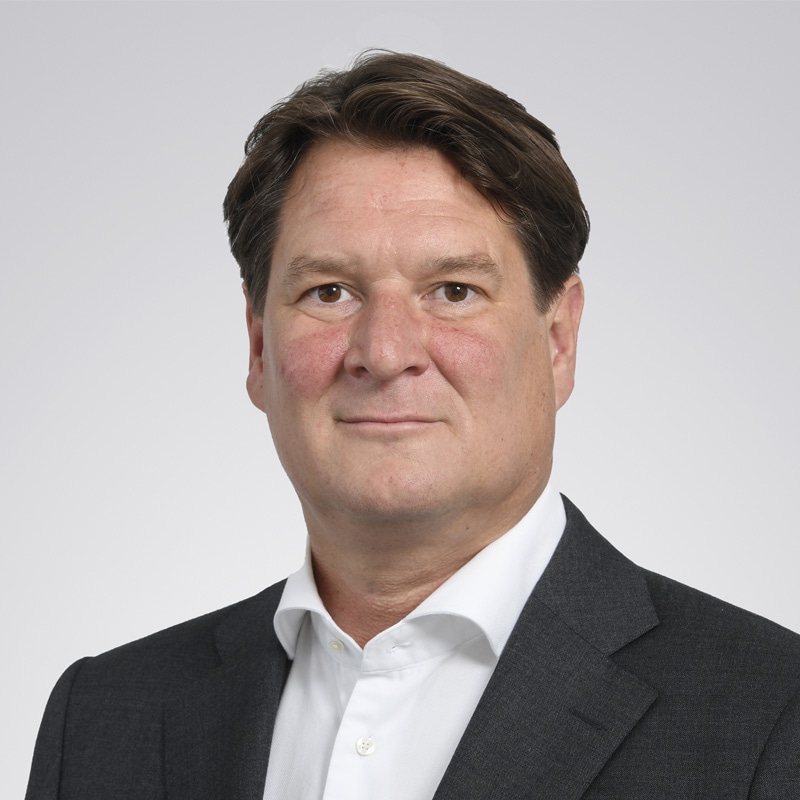
  • Dirk Hoozemans

    Dirk Hoozemans

    CFA, Senior portfolio manager, Thematic Equities

    Dirk Hoozemans (MA, CFA, ESG CFA), Director, is Lead Portfolio Manager of the Energy Evolution strategy. In 2022, he joined Credit Suisse Asset Management, now part of UBS Group, from Triodos Investment Management, where he was fund manager of a global small- and mid-cap-focused thematic impact strategy and responsible for outlining a new impact-driven investment process, including ESG integration and active ownership policies. Prior to that, Dirk held various portfolio management positions at Robeco Asset Management, including portfolio manager of a global energy strategy. Dirk holds a master’s degree in Econometrics from Tilburg University, The Netherlands, is a CFA charterholder, and has obtained the CFA Institute Certificate in ESG Investing.

Related insights

We’re here to help

Contact us

For general inquiries with UBS Asset Management, fill in a form with your details and we’ll be back in touch.

Our leadership team

Our global leadership team is deep, diverse, and dedicated to our ethos of delivering investment excellence.

Find your local UBS office

As your expert global partner, we're closer than you think. Discover UBS's locations in your region.